Table of Contents
Public relations in the manufacturing industry is often underestimated, yet it plays a crucial role in shaping how a company is perceived by buyers, partners, and stakeholders.
Unlike consumer brands, manufacturing businesses operate in a technical, trust-driven environment where credibility and expertise matter more than flashy promotion.
Effective PR helps simplify complex offerings, communicate innovation, and build long-term relationships with key audiences.
From securing media coverage in trade publications to strengthening digital presence, PR enables manufacturers to stand out in a competitive market.
In today’s evolving landscape, a strategic PR approach is essential for driving visibility, trust, and sustainable business growth.
This blog explores all you need to know about public relations for manufacturing companies, including strategy, tools, best practices, challenges, and more.
What Is PR for Manufacturing Companies?
Public Relations (PR) in the manufacturing industry is the strategic approach to building credibility, enhancing visibility, and establishing trust with B2B stakeholders by highlighting technical innovation, quality standards, and operational expertise. It shifts focus from purely transactional marketing to long-term reputation management, utilizing trade media relations, content marketing, and crisis communication to differentiate brands.
Key Aspects of Manufacturing PR
- Targeted Content Strategy: Focuses on showcasing technical expertise through whitepapers, case studies, and bylined articles in trade publications like Industry Week or Plant Engineering.
- Building Credibility: Highlights superior quality, innovative technology, and sustainability efforts to position companies as industry leaders.
- Crisis Communication: Manages negative events, such as production failures, supply chain disruptions, or safety incidents, with transparency.
- Trade Shows & Events: Leverages industry conferences to showcase new machinery or technology to industry influencers.
- Internal & External Communication: Bridges gaps between technical teams, management, and the public to ensure consistent messaging
Why PR Is Important for Manufacturing Companies
Public relations (PR) is vital for manufacturing companies to build credibility, enhance brand visibility, and differentiate themselves in competitive B2B markets. It transforms technical, complex, or behind-the-scenes industrial work into compelling narratives that attract clients, investors, and talent while managing reputation.
What’s more, PR helps in SEO and link building, contributing to better visibility. Key reasons PR is essential for manufacturing companies include:
Building Credibility and Trust
In industrial sectors, trust is crucial. PR positions companies as experts, highlighting innovation, quality control, and safety, which makes them more reliable partners than competitors.
Boosting Visibility & Brand Awareness
Consistent PR efforts, such as appearing in trade journals and industry news, ensure a manufacturer stays top-of-mind for potential customers and stakeholders.
Showcasing Innovation & Technical Expertise
PR helps manufacturing companies communicate the value of new technologies, product launches, or sophisticated manufacturing capabilities to technical stakeholders who make buying decisions.
Crisis Management and Reputation Protection
When products fail or supply chain issues arise, a PR strategy helps manufacturers manage negative publicity, mitigate damage, and maintain stakeholder trust.
Supporting Marketing and Sales (Lead Generation)
PR improves organic traffic, supports SEO efforts, and creates content that helps nurture leads, ultimately filling the sales funnel for manufacturing companies.
Attracting Talent and Investors
A strong public reputation, highlighting sustainability and community engagement, helps companies stand out to potential employees and investors, aiding in expansion.
Target Audience in Manufacturing PR
Target audiences for manufacturing PR include distributors, supply chain partners, industrial buyers, procurement teams, and more. Here’s all about the target audiences for manufacturing PR:
- Distributors and Supply Chain Partners: These are key intermediaries who help move products from manufacturers to end users. PR efforts should focus on building trust, ensuring product reliability, and maintaining strong long-term business relationships to support smooth distribution and logistics operations.
- Industrial Buyers and Procurement Teams: These decision-makers evaluate suppliers based on quality, cost efficiency, compliance, and reliability. Your PR strategy should highlight technical expertise, certifications, case studies, and proven performance to influence purchasing decisions in long sales cycles.
- Investors and Stakeholders: Investors look for stability, growth potential, innovation, and risk management. PR communication should emphasize financial performance, expansion plans, technological advancements, and long-term business sustainability to build confidence and attract investment.
- Government and Regulatory Bodies: Manufacturing companies must maintain strong relationships with regulatory authorities to ensure compliance with industry standards, environmental laws, and safety regulations. Your PR should highlight transparency, compliance efforts, and contributions to economic development.
- Industry Media and Trade Publications: These platforms help amplify brand visibility within the sector. PR strategies for manufacturing should focus on sharing press releases, expert opinions, product innovations, and industry insights. It helps secure coverage in relevant trade journals and professional media outlets.
- Skilled Workforce and Engineers: Attracting and retaining talent is critical in manufacturing. PR should position the company as a strong employer brand by showcasing workplace culture, safety standards, innovation, career growth opportunities, and employee success stories.
How to Identify and Reach the Target Audience for Manufacturing PR:
- Define Buyer Personas: Identify the specific roles, pain points, and motivations of decision-makers within your target industries.
- Analyze Existing Customers: Review your current client base to identify common industries, roles, and high-value partnerships.
- Digital Presence and Content: Use white papers, technical case studies, and social media (especially LinkedIn) to engage technical and procurement audiences.
- Targeted Outreach: Focus marketing efforts on specialized verticals rather than broad, generic messaging.
- Monitor Industry Trends: Use market research to understand evolving demands and new opportunities, allowing for better-targeted PR messaging.
Key PR Strategies for Manufacturing Companies
Public relations for manufacturing isn’t about flashy campaigns; it’s about building credibility, authority, and trust in a highly technical and competitive B2B environment. The following strategies help manufacturers communicate effectively with stakeholders while strengthening their industry position.
Thought Leadership
Thought leadership is one of the most powerful PR tools for manufacturing companies. By publishing industry insights, whitepapers, research reports, and expert opinions, companies position themselves as innovators and trusted authorities. This not only builds credibility but also influences decision-makers during long B2B buying cycles.
Consistently sharing knowledge helps establish your brand as a go-to resource in your niche.
Media Relations
Strong relationships with journalists and industry publications are important for manufacturing PR success. Getting featured in trade journals, industrial magazines, and sector-specific news platforms increases brand visibility among the right audience.
Press releases about product launches, innovations, partnerships, or expansions can help secure valuable media coverage and reinforce brand reputation.
Content Marketing & Storytelling
Manufacturing processes are often complex, but effective PR simplifies them into clear, engaging narratives. Through blogs, case studies, videos, and infographics, companies are likely to showcase their expertise while making technical information accessible.
Storytelling also helps humanize the brand, highlighting innovation, problem-solving, and real-world impact rather than just products.
Corporate Social Responsibility (CSR)
CSR plays a crucial role in shaping public perception of manufacturing companies. Initiatives focused on sustainability, workplace safety, community development, and environmental responsibility demonstrate a commitment beyond profits.
Communicating these efforts through PR campaigns helps build trust with stakeholders, regulators, and customers while enhancing long-term brand value.
Digital PR
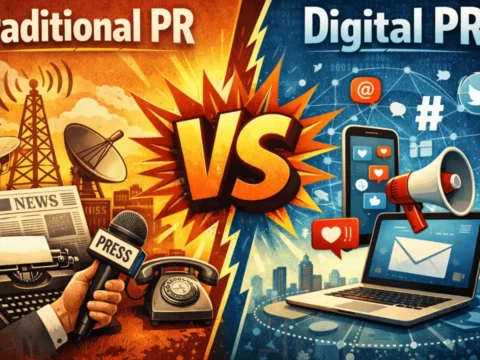
Digital PR combines traditional PR with modern online strategies to boost visibility. This includes SEO-driven campaigns, earning high-quality backlinks, online media mentions, and influencer collaborations in industrial niches.
A strong digital PR strategy improves search rankings, drives targeted traffic, and ensures your brand is discoverable by potential clients researching solutions online.
Common PR Challenges in Manufacturing
Common Manufacturing PR challenges are explaining complex products in simple terms, limited media interest, and more. Here’s how:
Explaining Complex Products in Simple Terms
Manufacturing companies often deal with highly technical products and processes. Translating this complexity into clear, easy-to-understand messaging for media, buyers, and stakeholders is a major challenge in PR communication.
Limited Media Interest Compared to Consumer Brands
Unlike lifestyle or consumer sectors, manufacturing topics often receive less mainstream media attention. This makes it harder to secure coverage outside of specialized trade publications and industry-specific platforms.
Low Digital Presence
Many manufacturing companies still rely on traditional business models and have limited online visibility. A weak digital footprint reduces brand discoverability and limits the impact of modern PR and SEO-driven campaigns.
Managing Crisis Situations (Recalls, Compliance Issues)
Manufacturing industries are highly sensitive to safety, quality, and compliance issues. Product recalls, regulatory violations, or operational failures can damage reputation if not handled with a strong crisis PR strategy.
Difficulty Measuring PR ROI
Unlike direct sales channels, PR impact is harder to quantify. Tracking metrics such as brand perception, media value, and indirect lead generation requires advanced tools and long-term analysis, making ROI measurement complex.
How to Conduct PR for Manufacturing Companies
Executing PR in the manufacturing sector requires a structured, consistent approach focused on clarity, credibility, and industry relevance. Here’s how to do it effectively:
Define Clear PR Objectives
Start by identifying what you want to achieve through PR. This could include increasing brand awareness, generating B2B leads, attracting investors, or improving reputation.
Clear goals help align your PR efforts with the overall business strategy and make it easier to measure success.
Identify Your Target Audience
Understand who you are trying to reach, such as industrial buyers, distributors, engineers, investors, or regulators. Each audience requires a different communication style.
For example, technical buyers need detailed information, while investors focus more on growth and stability.
Craft a Strong Brand Narrative
Manufacturing companies often struggle with storytelling, but this is where PR makes the difference. Define your unique value proposition and build a narrative around innovation, quality, reliability, or sustainability.
Your story should answer the question: Why should anyone trust your company?
Develop Key Messaging
Create consistent messaging that reflects your brand values and expertise. This includes:
- Company overview
- Product benefits (not just features)
- Industry expertise
- Commitment to quality or sustainability
Consistency ensures that every communication, whether a press release or interview, reinforces your brand identity.
Choose the Right PR Channels
Select platforms where your audience is most active. This involves:
- Trade publications and industry magazines
- LinkedIn and professional networks
- Industry events and exhibitions
- Online media and blogs
Focusing on the right channels ensures better visibility and ROI.
Create and Distribute Content
Develop high-value content such as press releases for announcements, case studies showcasing real-world results, blogs explaining complex processes, and videos of manufacturing processes or plant tours
Distribute this content through media outreach, your website, and digital PR platforms.
Build Media Relationships
Don’t just send press releases, build relationships with journalists and editors in your industry. Offer expert insights, data, and commentary to become a reliable source. Over time, this leads to more consistent and high-quality media coverage.
Monitor and Manage Reputation
Track what is being said about your brand across media and online platforms. Respond to negative coverage or reviews professionally and proactively. Reputation management is especially important in manufacturing, where trust is critical.
Measure PR Performance
Evaluate your PR efforts using metrics such as:
- Media mentions and coverage quality
- Website traffic and referral sources
- Lead generation
- Backlinks and SEO improvements
- Brand sentiment
Regular analysis helps refine your strategy and improve future campaigns.
Maintain Consistency
PR is not a one-time activity. Consistent communication, regular media outreach, and ongoing content creation are essential to building long-term credibility and visibility in the manufacturing industry.
Best Practices for Effective Manufacturing PR
Focus on education over promotion, simplifying technical communication, using data & proof points, and more are the best practices you should consider for PR for manufacturing. Here’s how:
- Focus on Education Over Promotion: Manufacturing audiences value knowledge and expertise more than sales messaging. Prioritize informative content that explains processes, technologies, and industry trends. It builds credibility and trust.
- Simplify Technical Communication: Break down complex products and processes into clear, easy-to-understand language. Use analogies, visuals, and real-world examples to make your messaging accessible to non-technical stakeholders.
- Use Data and Proof Points: Support your claims with facts, certifications, case studies, and measurable results. Data-driven communication strengthens credibility and helps decision-makers feel confident in your capabilities.
- Maintain Consistent Brand Messaging: Ensure that all communication, such as press releases, website content, and media interactions, reflects a unified voice, values, and positioning. Consistency builds recognition and trust over time.
- Build Long-Term Media Relationships: Develop genuine relationships with industry journalists and editors rather than reaching out only when you need coverage. Consistent engagement increases your chances of regular media exposure.
- Leverage Visual Content: Use videos, infographics, factory tours, and product demonstrations to showcase your capabilities. Visual content makes complex information more engaging and easier to understand.
- Highlight Innovation and Expertise: Regularly communicate new technologies, product improvements, and R&D efforts. Position your company as an industry leader by showcasing continuous innovation.
- Promote Sustainability and CSR Efforts: Share your initiatives related to environmental responsibility, safety standards, and community development. This enhances brand perception and aligns with modern stakeholder expectations.
- Invest in Digital PR and SEO: Optimize content for search engines, earn backlinks, and secure online media mentions. A strong digital presence increases visibility and attracts targeted B2B audiences.
- Prepare for Crisis Communication: Have a proactive PR plan for handling issues like product recalls or compliance concerns. Transparent and timely communication helps protect your reputation during challenging situations.
- Measure and Optimize Continuously: Track performance metrics such as media coverage, website traffic, and lead generation. Use these insights to refine your PR strategy and improve results over time.
Tools Used in Manufacturing PR
Here are a few of the tools you need to know for a better PR performance & outcome:
- Media Monitoring Tools: Tools like Meltwater, Brandwatch, and Talkwalker track brand mentions, industry news, and competitor activity.
- Press Release Distribution Platforms: These help distribute announcements to media and journalists efficiently.
- CRM Tools: Using these tools, you can manage relationships with clients, media contacts, and stakeholders.
- Social Listening Tools: These advanced tools allow you to monitor online conversations and audience sentiment.
- Analytics & Reporting Tools: With these PR tools, businesses measure PR performance, traffic, and campaign impact.
Example of a Successful PR for Manufacturing: Allbirds
In 2018, the footwear brand Allbirds launched a PR campaign known as Meet Your Shoes. It features its Wool Runner sneakers (made from merino wool) and Tree Runner sneakers (built with eucalyptus tree fiber).
The public relations campaign ran across media platforms, including Instagram and YouTube.
It encouraged its target audience to visit its website to learn more about the sheep and trees behind their shoes. The PR not only created buzz around the sneakers but also highlighted Allbirds’ strategic commitment to making sustainable products.
See the video by clicking the link: https://www.youtube.com/watch?v=TcAm-s_wSI4
Measuring PR Success in Manufacturing
From media coverage & mentions to website traffic, lead generation and more, there are many aspects to measure your PR for manufacturing success: See the pointers below to know:
- Media Coverage & Mentions: Track the quantity and quality of press coverage in trade publications and industry media.
- Website Traffic: Monitor traffic increases, especially from referral sources and PR campaigns.
- Lead Generation: Measure inquiries, demo requests, or business leads generated through PR efforts.
- Backlinks & SEO Growth: Evaluate the number and quality of backlinks earned and improvements in search rankings.
- Brand Sentiment: Analyze how your brand is perceived through media tone, reviews, and online discussions.
- Social Engagement: Track likes, shares, comments, and overall engagement on PR-driven content.
- Share of Voice: Compare your brand’s media presence against competitors in the industry.
Signing Off!
Public relations for manufacturing companies is a strategic necessity for building credibility and maintaining a strong market presence. By combining thought leadership, media relations, digital PR, and consistent messaging, manufacturers can effectively communicate their value and expertise.
While challenges like complex communication and limited media exposure exist, a well-planned PR approach can overcome these barriers and deliver measurable results over time.
Ultimately, successful manufacturing PR is about clarity, consistency, and trust.
Companies that invest in structured and ongoing PR efforts are better positioned to strengthen relationships, enhance reputation, and achieve long-term growth in an increasingly competitive industry.
FAQs
How is manufacturing PR different from consumer brand PR?
Manufacturing PR focuses more on technical communication, long-term relationships, and B2B audiences, while consumer PR emphasizes mass appeal, emotional storytelling, and direct customer engagement.
What are the most effective PR strategies for manufacturing companies?
Effective strategies for manufacturing PR include thought leadership content, media outreach to trade publications, sustainability storytelling, digital PR campaigns, and showcasing innovation through case studies.
How can manufacturing companies improve their media coverage?
Manufacturing companies can improve media coverage by sharing unique industry insights, building relationships with journalists, issuing press releases, and positioning executives as industry experts.
What are the biggest PR challenges in manufacturing?
Common challenges of manufacturing PR include simplifying complex products, limited mainstream media attention, low digital presence, crisis management, and difficulty measuring PR impact.
How does digital PR benefit manufacturing businesses?
Digital PR improves online visibility, generates high-quality backlinks, enhances SEO rankings, and drives targeted traffic from relevant industry audiences.
How do you measure the success of manufacturing PR campaigns?
The success of manufacturing PR is measured through media mentions, website traffic, lead generation, brand sentiment, social engagement, and the quality of backlinks earned.
What role does sustainability play in manufacturing PR?
Sustainability plays a key role by helping companies build trust, improve brand perception, and align with global environmental standards, making them more attractive to stakeholders and customers.
Can small manufacturing companies benefit from PR?
Yes, small manufacturers can use PR to build credibility, compete with larger brands, gain media exposure, and establish themselves as niche industry leaders.
How often should manufacturing companies invest in PR activities?
PR for manufacturing companies should be an ongoing effort, with consistent communication, regular media outreach, and continuous content creation to maintain visibility and credibility.