
Table of Contents
In the healthcare industry, trust is everything. That’s because patients don’t choose a hospital or doctor based on services; they choose credibility, transparency, and reassurance. And this is where public relations (PR) plays a vital role.
Healthcare PR goes far beyond traditional promotion. It focuses on delivering accurate information, building meaningful relationships with patients and the media, and managing communication in both normal and critical situations.
From promoting health awareness campaigns to handling sensitive crises, effective PR ensures that healthcare organizations remain trusted, reliable, and patient-focused.
This guide explores the importance, objectives, and core strategies of healthcare PR, helping you understand how it can strengthen reputation, improve patient engagement, and drive long-term success.
What Is Public Relations for Healthcare?
Healthcare PR is the strategic management of communication to build trust, enhance reputation, and manage relationships between healthcare organizations (hospitals, firms, providers) and their stakeholders.
It focuses on navigating complex regulatory environments, promoting medical advancements, and handling crisis communications, with a core emphasis on patient-centricity and public education.
Key Aspects of Healthcare PR:
- Reputation & Crisis Management: Building, protecting, and managing the public image of health brands, especially during sensitive crises or regulatory hurdles.
- Thought Leadership: Positioning doctors, researchers, and executives as experts through media features, guest articles, and interviews.
- Media Relations: Acting as a liaison between healthcare organizations and the media to share accurate information on health developments and treatments.
- Patient/Community Engagement: Creating content and campaigns that encourage patient recruitment for trials, strengthen relationships, and foster community awareness.
- Digital & Social Media Strategy: Managing online reputation, leveraging health influencers, and using social platforms to engage with audiences.
Importance of Public Relations in Healthcare
Public relations in healthcare is not just about visibility; it’s about trust, responsibility, and influence in a field where communication can directly impact people’s lives.
In an era of information overload and medical misinformation, healthcare PR plays a crucial role in ensuring that accurate, reliable, and timely information reaches the public. Whether it’s a new treatment, a health advisory, or a crisis situation, how the message is communicated can shape public perception and behavior.
More importantly, healthcare decisions are deeply emotional. Patients don’t just choose services; they choose credibility, empathy, and reassurance. Effective PR helps healthcare organizations build this emotional connection by consistently communicating transparency, expertise, and care.
It also acts as a reputation safeguard. In situations like medical controversies, negative reviews, or public health emergencies, strong PR ensures that the organization responds responsibly, maintains trust, and protects its long-term image.
Ultimately, public relations in healthcare is important because it bridges the gap between medical expertise and public understanding, making healthcare more accessible, trustworthy, and human-centered.
Key Objectives of Healthcare PR
While the importance of healthcare PR lies in its impact, its objectives define how that impact is achieved in measurable and strategic ways.
One of the primary objectives is to increase awareness, not just about services, but also about preventive care, treatments, and health initiatives. This helps position healthcare organizations as reliable sources of information, not just service providers.
Another key goal of healthcare public relations is to shape and manage public perception. This includes building a positive brand image, addressing misconceptions, and ensuring consistent messaging across all communication channels.
Healthcare PR also aims to strengthen media and stakeholder relationships. By collaborating with journalists, health influencers, and community leaders, organizations can amplify their reach and credibility.
A critical objective is crisis preparedness and response. PR teams work to ensure that in times of uncertainty, communication remains clear, timely, and transparent, minimizing panic and maintaining public confidence.
Additionally, modern healthcare PR focuses on digital reputation management, monitoring online reviews, engaging with patient feedback, and maintaining a trustworthy online presence.
In essence, the objectives of healthcare PR are to turn communication into a strategic tool that drives awareness, trust, engagement, and long-term credibility.
Core Strategies in Healthcare Public Relations
Public relations in healthcare requires a careful balance of credibility, empathy, and strategy. Unlike other industries, the goal is not just visibility, but building long-term trust while delivering accurate and meaningful communication.
Below are the most effective, real-world strategies that healthcare organizations use to strengthen their public image and patient relationships.
Build Strong Media Relationships
Media coverage remains one of the most powerful ways to establish authority in healthcare. However, it’s not just about sending press releases; it’s about building genuine relationships with journalists and health editors.
Healthcare PR teams should focus on sharing newsworthy, data-backed stories, offering expert opinions from doctors, and consistently engaging with media professionals. Over time, this positions the organization as a go-to source for reliable health information, increasing chances of regular media coverage.
Establish Thought Leadership
In healthcare, expertise builds trust. Patients are more likely to trust organizations that consistently demonstrate knowledge and authority.
This can be achieved by publishing doctor-led articles, contributing to reputed health platforms, participating in interviews, and hosting webinars or discussions on trending health topics.
Thought leadership not only enhances credibility but also helps healthcare brands stand out in a competitive market.
Run Health Awareness Campaigns
Health awareness campaigns are a powerful way to connect with the public while delivering value. These campaigns focus on educating people about diseases, preventive care, and healthy lifestyles.
Whether it’s a vaccination drive, mental health awareness initiative, or free health checkup camp, such campaigns position healthcare organizations as socially responsible and patient-focused. This significantly improves brand perception and public trust.
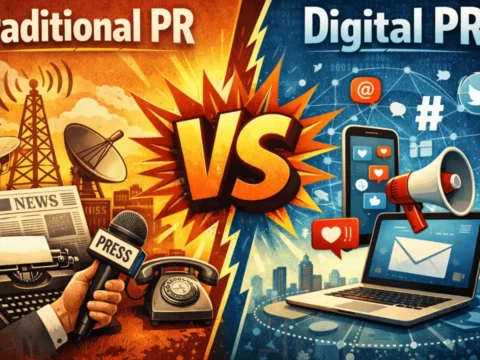
Focus on Digital PR and Online Reputation
Today, a patient’s journey often begins online. Before visiting a hospital or clinic, people check reviews, ratings, and online presence. And that’s where healthcare PR comes into play.
Healthcare PR must include active reputation management, such as responding to patient reviews, maintaining accurate listings, and publishing informative, SEO-optimized content. Being featured on trusted online platforms and health blogs further strengthens credibility and improves search visibility.
Prepare for Crisis Communication
Healthcare organizations are highly vulnerable to crises, ranging from medical errors to public health emergencies. In such situations, communication must be handled with precision and care.
An effective PR strategy includes having a predefined crisis communication plan, ensuring quick response times, and delivering transparent, factual updates. Addressing concerns with empathy and clarity helps maintain trust even during challenging situations.
Use Patient-Centric Storytelling
While medical data informs, stories create an emotional connection. Sharing real patient experiences (with proper consent) helps humanize healthcare communication.
Stories about recovery journeys, doctor dedication, and patient care experiences make the brand more relatable. This approach builds trust and makes the organization more memorable to the audience.
Engage with the Local Community
Healthcare is deeply connected to the community it serves. And that’s why engaging with local audiences strengthens relationships and builds grassroots trust.
Organizing health camps, awareness events, and partnerships with local organizations allows healthcare providers to directly connect with people. This offline presence complements digital efforts and enhances overall brand credibility.
Leverage Data-Driven PR
Data adds credibility and increases the chances of media coverage. Healthcare organizations can use research, surveys, and patient data insights (ethically) to create compelling stories.
Publishing reports on health trends, patient behavior, or treatment outcomes helps attract media attention and positions the organization as an authority backed by evidence.
Collaborate with Healthcare Influencers and Experts
In healthcare, influence comes from expertise. One of the key strategies for healthcare PR is to collaborate with healthcare influencers and experts. Yes, collaborating with doctors, nutritionists, and credible health content creators can significantly expand reach.
These collaborations should focus on educational and informative content, ensuring accuracy while making health information more accessible to a wider audience.
Strengthen Internal Communication
One of the key healthcare PR strategies is to strengthen internal communication. Effective healthcare PR starts within the organization. Doctors, nurses, and staff play a key role in shaping public perception.
Ensuring clear internal communication, aligning staff with brand messaging, and encouraging them to act as brand advocates helps maintain consistency. This becomes especially important during crises or major announcements.
Sutter Health / CPMC: A Real-World Example of a Successful PR Strategy for Healthcare
When Sutter Health launched its new CPMC Van Ness Campus hospital in San Francisco, it needed to generate strong public awareness and attract patients in a competitive healthcare market.
Instead of relying on traditional advertising, the organization implemented a comprehensive PR-driven campaign focused on community engagement, media relations, and storytelling.
PR Strategies Used:
The campaign combined multiple high-impact PR tactics:
- Media Relations: Continuous press coverage through strategic storytelling and newsworthy angles
- Community Engagement: Open houses, public tours, and interactive events like a “teddy bear clinic.”
- Influencer Outreach: Collaborations with bloggers and local influencers, like mommy bloggers.
- Event-Based PR: Ribbon-cutting ceremonies and community-focused launch events
- Newsjacking: Leveraging trending topics to stay relevant in media conversations
The goal was not just promotion, but to integrate the hospital into the local community narrative.
Results Achieved:
The PR campaign delivered exceptional results:
- Generated 200+ unique media stories
- Achieved 500+ million media impressions
- Built strong community trust and engagement
- Contributed to a higher-than-average number of emergency department visits after launch
Best Practices for Healthcare PR
In healthcare, communication is not just about messaging; it’s about responsibility, ethics, and trust-building. A strong PR strategy must be guided by best practices that ensure accuracy, consistency, and sensitivity in every interaction.
The following principles help healthcare organizations maintain credibility while strengthening relationships with patients and the public.
Maintain Transparency and Accuracy
Transparency is the foundation of trust in healthcare PR. Whether sharing medical updates, service information, or crisis-related communication, everything must be clear, factual, and easy to understand.
Avoid exaggeration or misleading claims, and ensure that all information is verified by qualified medical professionals before being shared publicly. Honest communication helps build long-term credibility, especially in sensitive healthcare environments.
Follow Healthcare Compliance Guidelines
Healthcare communication is governed by strict legal and ethical standards. Therefore, PR teams must ensure that all messaging complies with relevant healthcare regulations, patient privacy laws, and advertising guidelines.
This includes protecting patient confidentiality, avoiding unauthorized use of medical data, and ensuring that all promotional content meets ethical standards. Compliance not only prevents legal risks but also reinforces trust and professionalism.
Use Patient-Centric Communication
Effective healthcare PR always places the patient at the center of communication. Instead of focusing only on services or achievements, messaging should address patient needs, concerns, and experiences.
Using simple, empathetic language helps make complex medical information more accessible. When patients feel understood and valued, it significantly improves engagement and trust.
Ensure Consistency Across All Platforms
Inconsistent messaging is more likely to damage credibility. Healthcare organizations must ensure that their communication remains uniform across websites, social media, press releases, and offline channels.
Consistency in tone, information, and branding helps reinforce identity and prevents confusion. It also strengthens recognition and builds a reliable public image over time.
Monitor Public Sentiment Regularly
Healthcare PR is highly sensitive to public perception. Monitoring what people are saying online and offline helps organizations stay aware of potential issues before they escalate.
By tracking reviews, social media discussions, and media coverage, PR teams can quickly respond to concerns, correct misinformation, and adapt communication strategies as needed. This proactive approach helps maintain a positive reputation.
Important Tools Used for Healthcare PR
Healthcare PR tools help you implement PR strategies in the right way, streamline communication, manage reputation, and boost visibility. These tools feature essential technologies like CRM platforms (HubSpot), SEO/analytics trackers (SEMrush, Google Analytics), and social media monitoring tools.
These digital tools aid in patient engagement, crisis management, and media outreach for effective healthcare brand management. Here’s all about these tools you should know:
- Reputation & Social Monitoring: Tools like Doctify and BirdEye allow you to track online reviews, social media mentions, and patient sentiment to manage brand image.
- Digital Marketing & SEO: SEMrush and Google Analytics are used to optimize content, identify high-value medical keywords, and analyze website traffic.
- CRM & Marketing Automation: Platforms such as HubSpot and Medesk manage patient databases, automate follow-up communications, and track marketing ROI.
- Media Relations & Distribution: Specialized PR solutions like Presspage offer digital newsrooms and media databases, while Curefy facilitates digital advertising.
- Patient Engagement & AI: AI chatbots, for example, Botscrew and patient communication platforms, such as Podium, provide 24/7 engagement and appointment management.
- Audience Research: SparkToro helps identify where target audiences, like patients or partners, spend time online to improve targeted messaging.
Conclusion
Public relations in healthcare is not just a communication function; it’s a strategic pillar that shapes trust, reputation, and patient relationships. In an industry where every message can influence decisions and emotions, the role of PR becomes even more critical.
By focusing on transparency, consistent communication, and patient-centric approaches, healthcare organizations can build lasting credibility. Whether it’s through media relations, digital reputation management, awareness campaigns, or crisis handling, the right PR strategies ensure that organizations not only stay visible but also remain trusted voices in the healthcare space.
As the healthcare landscape continues to evolve, those who invest in strong, ethical, and value-driven PR will stand out. Because in the end, effective healthcare PR is not just about being seen; it’s about being trusted when it matters the most.
FAQs
What is healthcare public relations (PR)?
Healthcare PR is the strategic communication process used by hospitals, clinics, doctors, and healthcare organizations to build trust, manage reputation, and share accurate medical information with the public and media.
Why is PR important in the healthcare industry?
PR is essential in healthcare because it helps build public trust, improves patient confidence, manages crises effectively, and ensures accurate medical information reaches the audience, especially during emergencies or health scares.
How is healthcare PR different from general PR?
Healthcare PR is more sensitive and regulated. It involves patient privacy laws, medical accuracy, ethical communication, and often crisis management, unlike general PR, which may focus more on branding and sales.
What are the main goals of healthcare PR?
The main goals of healthcare PR include improving public awareness, building trust in healthcare providers, managing reputation, handling crises, and promoting health education campaigns.
What are some common healthcare PR strategies?
Common strategies for healthcare PR include media outreach, press releases, doctor interviews, health awareness campaigns, community programs, digital PR, and social media engagement.
How does digital PR help healthcare organizations?
Digital PR helps hospitals and healthcare brands manage online reputation, improve search visibility, publish educational content, respond to patient reviews, and build trust through digital platforms.
How do hospitals manage a PR crisis?
Hospitals manage PR crises by responding quickly, providing transparent and factual information, coordinating with media, addressing public concerns, and following strict communication protocols.
What role does social media play in healthcare PR?
Social media helps healthcare organizations educate the public, share updates, engage with patients, correct misinformation, and build a strong online presence.
How can healthcare organizations build trust through PR?
Healthcare organizations build trust through transparent communication, sharing verified medical information, highlighting patient success stories, maintaining ethical standards, and consistent public engagement.
What are the biggest challenges in healthcare PR?
Major healthcare PR challenges include handling sensitive patient data, regulatory restrictions, misinformation, crises, and maintaining credibility in a highly scrutinized industry.
Can healthcare PR improve patient engagement?
Yes, effective PR for healthcare improves patient engagement by educating the public, improving communication, and creating awareness about services, treatments, and preventive care.
What tools are used in healthcare PR?
Healthcare PR professionals use media monitoring tools, social listening platforms, reputation management software, analytics tools, and content distribution platforms.