
Table of Contents
In today’s fast-moving digital world, brands compete for public attention. Traditional advertising alone is often not enough to capture audience interest, which is why many companies turn to PR stunts to create buzz and stand out from the crowd.
From viral social media campaigns to large-scale public events, PR stunts are designed to generate media coverage, spark conversations, and leave a lasting impression on audiences.
When executed successfully, a PR stunt significantly boosts brand awareness, increases engagement, and even becomes part of popular culture. However, publicity stunts also come with challenges and risks, as audiences expect creativity, authenticity, and relevance.
A poorly planned stunt can quickly lead to negative publicity instead of positive attention.
This guide explores everything you need to know about PR stunts, including their importance, different types, benefits, risks, real-world examples, and future trends shaping experiential marketing and public relations.
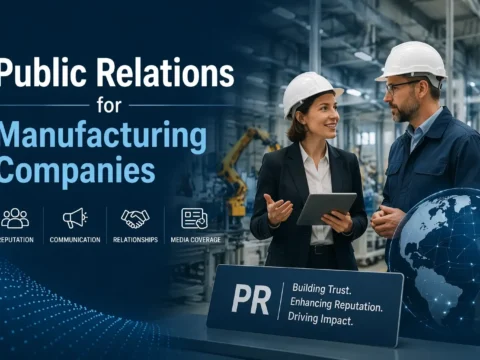
Be it public relations for manufacturing companies or others, this blog helps you understand everything needed to conduct PR and get more from it.
What Are PR Stunts?
A PR (public relations) stunt is a planned, often unconventional, and highly visible event or action designed to attract media attention and public interest for a brand, product, or cause. It is a strategic effort to create buzz, going beyond traditional advertising to make a business top of mind.
Key Aspects of a PR Stunt:
- Purpose: To generate earned media (news coverage), increase brand visibility, or create viral social media content.
- Nature: PR stunts are engineered, staged, and controlled events, not spontaneous occurrences.
- Characteristics: Often creative, humorous, disruptive, or daring.
- Goal: To establish a narrative that connects with the public and strengthens brand awareness
Why Do PR Stunts Matter?
Be it public relations for a restaurant or otherwise, PR stunts play a powerful role in modern marketing because they help brands cut through the noise and capture attention in a crowded digital space. Instead of relying only on traditional advertising, companies use stunts to create moments that people actually talk about, share, and remember.
- Generate Media Attention: A well-executed stunt attracts journalists, bloggers, and news platforms, giving the brand valuable earned media coverage.
- Increase Brand Awareness: PR stunts help introduce or reinforce a brand’s presence in the public mind, often reaching audiences far beyond paid campaigns.
- Create Viral Social Media Engagement: Unique or surprising ideas encourage users to share content that helps the campaign spread organically across platforms.
- Build Emotional Connection with Audiences: When a stunt triggers curiosity, humor, or inspiration, it creates a stronger emotional bond between the brand and its audience.
- Differentiate Brands from Competitors: In competitive markets, PR stunts help brands stand out by showcasing creativity and personality rather than just products or services.
Types of PR Stunts
PR stunts come in different forms depending on the brand’s goal, audience, and creative direction. Each type uses a unique approach to capture attention and generate buzz. Here are the different types of PR stunts you should know:
- Guerrilla Marketing Stunts: Unexpected and low-cost tactics designed to surprise people in public spaces and create instant attention.
- Celebrity or Influencer-Driven Stunts: Campaigns that use well-known personalities to amplify reach and credibility through their fan base.
- Experiential PR Stunts: Immersive events or installations where audiences can physically interact with the brand experience.
- Social Cause or Activism Stunts: Campaigns that highlight social, environmental, or ethical issues to build awareness and emotional impact.
- Digital and Social Media Stunts: Online-first campaigns designed for virality, often using memes, challenges, or interactive content.
- Record-Breaking or Extreme-Event Stunts: Attention-grabbing actions that aim to set records or push boundaries to generate news coverage.
What Makes a Successful PR Stunt
From public relations for real estate to healthcare, a PR stunt becomes successful when it goes beyond attention and creates a meaningful impact. It requires a balance of creativity, strategy, and execution. The following are the factors that make a PR stunt successful:
- Creativity and Originality: The idea must be fresh, unexpected, and different enough to stand out in a crowded media environment.
- Emotional or Shock Value: Strong emotions like surprise, joy, curiosity, or shock increase the chances of people remembering and sharing the stunt.
- Timing and Cultural Relevance: Launching at the right moment, such as during trending topics or cultural events, can significantly boost visibility.
- Strong Storytelling: A clear narrative helps audiences understand the purpose behind the stunt and connect with it on a deeper level.
- Audience Participation: When people can actively engage or contribute, the stunt becomes more interactive and spreadable.
- Media and Social Shareability: The concept should be designed in a way that makes it easy for media outlets and users to share online.
- Brand-Message Alignment: The stunt must stay consistent with the brand’s identity and values to avoid confusion and maintain authenticity.
Benefits of Public Relation Stunts
Businesses use PR stunts because they deliver high-impact results in a short period of time. When executed well, PR stunts transform a simple idea into a powerful marketing moment that reaches large audiences.
- Massive Media Coverage: A successful stunt often attracts journalists, news outlets, and online publications, resulting in widespread earned media exposure.
- Viral Online Visibility: Unique and surprising ideas are highly shareable, allowing campaigns to spread rapidly across social media platforms.
- Increased Brand Recall: Memorable stunts help audiences remember the brand more easily compared to traditional advertisements.
- Audience Engagement: PR stunts encourage people to interact, participate, and talk about the brand, increasing overall engagement.
- Cost-Effective Publicity: Compared to large-scale advertising campaigns, a well-planned stunt tends to generate significant attention at a relatively lower cost.
- Stronger Brand Personality: Creative stunts help brands showcase their identity, values, and tone in a more human and relatable way.
How to Create a PR Stunt
Creating a successful PR stunt is not just about going viral; it’s about combining strategy, creativity, and timing to design something that feels natural, memorable, and aligned with the brand. A well-planned stunt follows a structured approach that ensures both impact and control. Here’s how to create PR stunts:
Define Clear Objectives
Before anything else, the brand must decide what it wants to achieve. The goal could be increasing brand awareness, launching a new product, improving brand image, or driving online engagement. Clear objectives act as the foundation for the entire campaign and help measure success later.
Understand the Target Audience
A PR stunt only works if it resonates with the right people. Brands need to study their audience’s interests, online behavior, cultural preferences, and emotional triggers. Understanding what excites, entertains, or concerns the audience helps shape a stunt that feels relevant and shareable.
Develop a Creative Concept
This is where the idea comes to life. Your concept should be bold, simple to understand, and emotionally engaging. Whether it’s humor, surprise, storytelling, or interactivity, the idea must be strong enough to stand out in a crowded media environment and encourage organic sharing.
Assess Risks and Public Reaction
Every PR stunt carries potential risks, including misinterpretation, backlash, or controversy. It is important to evaluate how different audiences might react and whether the message could be taken negatively. A risk assessment helps ensure the stunt does not damage the brand’s reputation.
Choose the Right Platform and Timing
Timing and platform selection have the power to determine the success of a campaign. Ensure choosing the right moment, such as festivals, events, or trending cultural moments, and the right channels, including social media, live events, or digital platforms, to maximize visibility and reach.
Coordinate Media and Influencer Outreach
To amplify impact, brands often collaborate with media outlets, journalists, and influencers. Early outreach helps build anticipation and ensures wider coverage. Influencers, in particular, can help spread the stunt quickly and authentically to targeted communities.
Measure Results and Engagement
After execution, it is important to evaluate performance using key metrics such as media coverage, social media reach, engagement rates, audience sentiment, website traffic, and conversions. This helps determine whether the stunt achieved its objectives and provides insights for future campaigns.
Examples of Successful PR Stunts
The top examples of successful PR stunts include Michael CeraVe Super Bowl Campaign, Burger King’s Million Dollar Whopper, and many more. Here are the types of examples you should know:
Michael CeraVe Super Bowl Campaign
Ahead of the 2024 Super Bowl, skincare brand CeraVe sparked widespread curiosity by placing actor Michael Cera in strange and unexpected situations connected to the brand. Videos and photos began circulating online showing him casually interacting with fans, signing products, and subtly implying he had something to do with creating CeraVe.
The internet quickly picked up on the unusual storyline. Social media users debated whether the claim was genuine or part of a larger joke, which fueled massive online engagement.
By the time the Super Bowl commercial aired, the campaign had already become a viral talking point. The final reveal confirmed the entire story was fictional, turning the stunt into a memorable and highly successful example of curiosity-driven PR.
Burger King’s Million Dollar Whopper
Burger King created an interactive campaign that invited customers to invent their own version of the iconic Whopper burger for a chance to win one million dollars. Participants used an AI-powered platform to customize ingredients and submit their dream burger combinations.
The campaign encouraged creativity while making customers feel directly involved with the brand. Thousands of entries flooded social media as users proudly shared their burger concepts online.
Instead of relying on traditional advertising, Burger King transformed product development into a public experience, generating conversation, traffic, and engagement in a highly entertaining way.
The Ordinary’s Giant Skincare Bottle on the Thames
Beauty brand The Ordinary captured public attention in London by placing an oversized floating version of one of its skincare bottles on the River Thames. The unusual visual instantly attracted crowds and became a popular photo opportunity for both locals and tourists.
The stunt spread rapidly across social media as users posted images and tagged the brand online. To extend engagement further, The Ordinary connected the activation with a giveaway campaign that encouraged user participation.
The simplicity of the idea, combined with its strong visual impact, made it an effective and shareable PR moment.
Prada’s Double Club Pop-Up in Los Angeles
Luxury fashion brand Prada transformed Oscar Week in Los Angeles into an immersive cultural experience through its temporary “Double Club” concept. Rather than hosting a standard fashion showcase, Prada blended music, nightlife, art, and fashion into a single interactive environment.
Guests explored curated spaces, attended live DJ performances, and experienced the brand in a more personal and creative setting. The event attracted celebrities, influencers, and media attention, helping Prada position itself as more than just a fashion label.
The stunt succeeded because it focused on experience and exclusivity rather than direct promotion.
Oreo’s Hamburger Menu Easter Egg
Oreo generated online buzz through a hidden surprise built into its website navigation. Users who clicked the small hamburger menu icon discovered exclusive discounts, rewards, and playful messages hidden within the interface.
The campaign rewarded curiosity and encouraged users to share their discoveries across social media platforms. Although simple in execution, the stunt reflected Oreo’s fun brand personality and proved that even small digital experiences can create major audience engagement when designed creatively.
Tesla’s “Carbon-Free Day” Challenge
Electric vehicle company Tesla launched a worldwide environmental challenge encouraging people to spend one full day avoiding carbon-emitting transportation. Participants were asked to bike, walk, carpool, or use sustainable travel alternatives instead of driving conventional vehicles.
The initiative gained momentum online as users documented their participation and shared their experiences on social media. Tesla positioned the campaign around collective environmental action rather than direct product promotion, which helped the stunt resonate with a broader audience and strengthened conversations around sustainability.
Lush’s “Silent Protest” for Animal Rights
Cosmetics retailer Lush used silence as the centerpiece of a powerful awareness campaign focused on animal cruelty in the beauty industry. Employees appeared in stores wearing tape over their mouths while visual displays communicated messages supporting cruelty-free practices.
The absence of verbal promotion drew attention and encouraged customers to engage in deeper conversations about ethical beauty standards. Online, the brand maintained the same restrained approach by sharing impactful visuals and educational content.
The stunt aligned closely with Lush’s long-standing ethical values, which made the campaign feel authentic and meaningful.
Nike’s “Equality Run”
Sportswear giant Nike launched a virtual running initiative that connected fitness with social impact. Participants logged their running distances digitally, and every mile completed contributed to donations supporting social justice organizations.
The campaign allowed people from around the world to join remotely while feeling part of a greater collective effort. Many runners shared their progress and achievements online, helping the initiative gain visibility organically.
By combining wellness, technology, and purpose-driven messaging, Nike created a campaign that felt both engaging and socially relevant.
Gucci’s Digital Fashion Week
Luxury brand Gucci reimagined the traditional runway experience by hosting a fully digital fashion event. Instead of relying on physical shows, the brand introduced virtual experiences where audiences could explore collections through augmented reality and interactive online tools.
Users were able to engage with outfits digitally, experiment with virtual try-ons, and watch live presentations from anywhere in the world. The campaign demonstrated how fashion brands can merge technology with storytelling to create accessible and immersive experiences while maintaining exclusivity and creativity.
Spotify’s “Playlists for Change”
Music streaming platform Spotify created a series of themed playlists connected to important social issues such as mental health, equality, and civil rights awareness. Alongside the music, listeners were given educational context and stories related to each topic.
The campaign resonated emotionally because it combined entertainment with meaningful conversations. Users shared the playlists not only because of the music selection, but also because of the messages behind them.
Spotify successfully used its platform to create a thoughtful campaign that reflected cultural awareness and emotional connection.
Coca-Cola’s “Share a Smile” Campaign
Beverage brand Coca-Cola launched an uplifting campaign by replacing traditional bottle labels with encouraging words and positive phrases such as Smile, Cheers, and You Got This.
The simple concept inspired customers to share bottles with friends and family while posting photos online. During a period when audiences were seeking positivity and connection, the campaign felt personal and relatable. Its success came from turning an everyday product into a small but meaningful emotional experience.
Risks of PR Stunts
While PR stunts can be highly effective, they also carry risks that need careful planning and control. A poorly executed stunt can harm a brand’s reputation instead of improving it. Here are some risks of PR stunts:
- Negative Public Backlash: If audiences find the stunt offensive, misleading, or inappropriate, it can lead to criticism and reputational damage.
- Legal or Ethical Issues: Some stunts may unintentionally violate laws, regulations, or ethical standards if not properly reviewed.
- Misinterpretation of Campaign Message: The audience may misunderstand the intent, leading to confusion or negative reactions.
- Safety Concerns: Physical or public stunts can pose risks to participants or the public if not properly managed.
- Short-Term Attention without Long-Term Value: Some stunts generate temporary buzz but fail to create lasting brand impact or business results.
- Social Media Criticism and Cancellation Risks: In the age of instant reactions, negative sentiment can spread quickly and escalate into larger controversies.
The Future of PR Stunts
PR stunts are evolving rapidly with technology, audience behavior, and digital platforms shaping how brands create and distribute campaigns. The future will be more immersive, interactive, and purpose-driven.
- AI-Driven Interactive Campaigns: Artificial intelligence will help create personalized and adaptive stunt experiences for different audiences.
- AR/VR Experiences: Augmented and virtual reality will allow users to engage with brands in fully immersive digital environments.
- Social-First PR Stunts: Campaigns will be designed primarily for platforms like Instagram, TikTok, and other short-form content ecosystems.
- Real-Time Audience Participation: Audiences will increasingly influence and shape campaigns as they unfold, making PR more interactive.
- Purpose-Driven and Sustainability-Focused Campaigns: Brands will focus more on social impact, environmental responsibility, and meaningful storytelling.
- Creator and Influencer Collaborations: Influencers and digital creators will play a bigger role in amplifying and co-creating PR stunts with brands.
Conclusion
PR stunt is one of the most powerful tools in modern public relations and marketing. By combining creativity, storytelling, and audience engagement, brands can generate massive publicity and create memorable experiences that traditional advertising often cannot achieve.
Whether it is a viral digital campaign, an experiential event, or a socially driven initiative, successful PR stunts can strengthen brand visibility and emotional connection with consumers.
However, effective publicity stunts require careful planning, strategic execution, and a deep understanding of audience perception. Brands must balance innovation with authenticity while also preparing for potential risks and public reactions.
As technology and social media continue to evolve, the future of PR stunts will increasingly focus on immersive experiences, real-time engagement, and purpose-driven campaigns.
When done right, a PR stunt can do more than attract attention; it can create lasting brand impact and turn a campaign into a cultural moment.
FAQs
What are PR stunts in marketing and public relations?
PR stunts are creative, attention-grabbing activities designed to generate media coverage, public interest, and social media buzz for a brand, product, or campaign. These stunts are often unconventional and aim to create memorable experiences that encourage people to talk about the brand organically.
Why do companies use PR stunts?
Companies use PR stunts to increase brand awareness, attract media attention, boost audience engagement, and stand out from competitors. A successful stunt can create viral exposure, strengthen brand identity, and generate large amounts of publicity at a lower cost than traditional advertising.
What makes a PR stunt successful?
A successful PR stunt combines creativity, timing, emotional appeal, and strong storytelling. It should align with the brand’s identity, resonate with the target audience, and encourage social sharing. Effective media outreach and audience participation also play a major role in maximizing visibility and impact.
What is the difference between a PR stunt and guerrilla marketing?
A PR stunt primarily focuses on generating publicity and media coverage through surprising or newsworthy actions. Guerrilla marketing, on the other hand, emphasizes unconventional promotional tactics used directly to engage consumers in public spaces. While both rely on creativity, PR stunts are more media-driven, whereas guerrilla marketing is more audience-interaction focused.
Are PR stunts effective for small businesses and startups?
Yes, PR stunts can be highly effective for small businesses and startups because they offer the opportunity to gain significant exposure without massive advertising budgets. A unique and well-executed stunt can help smaller brands go viral, attract press coverage, and quickly build brand recognition.
What are some famous examples of successful PR stunts?
Some well-known PR stunt examples include Red Bull Stratos Space Jump, ALS Association Ice Bucket Challenge, Coca-Cola Happiness Machine campaign, and IKEA sleepover experience campaigns. These campaigns became globally recognized because they generated strong emotional engagement and widespread media coverage.
What risks are associated with publicity stunts?
PR stunts can sometimes lead to negative publicity if audiences misunderstand the message or find the campaign offensive, unsafe, or insensitive. Other risks include legal issues, safety concerns, social media backlash, and reputational damage. Poor planning or a lack of crisis management can turn a stunt into a public relations problem.
How can brands measure the success of a PR stunt campaign?
Brands can measure PR stunt success using metrics such as media coverage, social media engagement, website traffic, audience reach, brand mentions, lead generation, and sales growth. Sentiment analysis and audience feedback also help evaluate whether the stunt improved brand perception and achieved campaign goals.
How do social media platforms influence modern PR stunts?
Social media platforms play a major role in amplifying PR stunts by enabling real-time sharing, audience participation, and viral engagement. Platforms like Instagram, TikTok, and X allow brands to quickly spread campaigns globally and interact directly with audiences, influencers, and media outlets.