Table of Contents
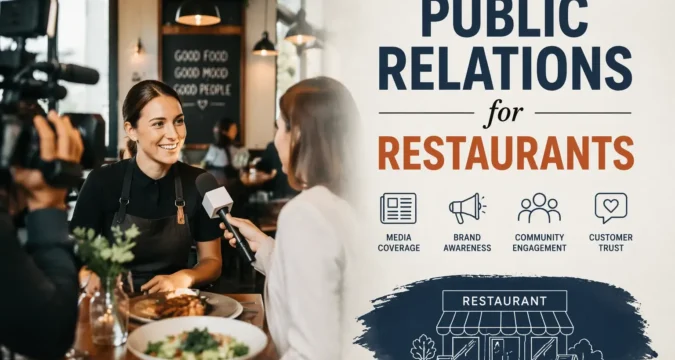
In today’s highly competitive food industry, merely serving great food is not enough to guarantee success. Restaurants need strong visibility, a compelling brand story, and a positive reputation to attract and retain customers. This is where public relations for restaurants plays a crucial role.
From media coverage and influencer collaborations to online reviews and social media presence, PR helps shape how people perceive your restaurant.
A well-executed PR strategy turns a local eatery into a popular destination by building trust, generating buzz, and creating memorable experiences that people want to share.
Whether you’re launching a new restaurant or looking to grow an existing one, understanding how PR works can significantly impact your success.
This blog explores the importance of restaurant PR, key strategies to implement, and how you can use it to build a strong, lasting brand. Here’s how:
What is Public Relations for Restaurants?
Restaurant public relations (PR) is the strategic process of managing a dining establishment’s reputation and building brand awareness. It is done through third-party channels, such as media coverage, influencers, and community engagement.
Unlike paid advertising, PR focuses on building credibility, fostering trust, and sharing the restaurant’s story to drive customer loyalty.
Key Aspects of Restaurant PR:
- Media Relations: Pitching stories to journalists, food bloggers, and influencers to secure features, reviews, and event coverage.
- Reputation Management: Actively managing online reviews and feedback to build a positive image.
- Crisis Management: Developing strategies to manage and respond to reputation-damaging incidents, for instance, poor health inspections or negative viral content.
- Community Engagement: Sponsoring local events, partnering with local businesses, or supporting charities to build local rapport.
- Social Media & Storytelling: Communicating the brand’s unique narrative, values, and behind-the-scenes stories to consumers
Why Public Relations is Important for Restaurants
Public relations plays a crucial role in shaping how customers perceive your restaurant. It goes beyond promotion by building a strong, trustworthy brand image that attracts and retains customers. Here’s why PR is essential:
Builds Brand Awareness
Public relations helps your restaurant get noticed by a wider audience through media coverage, influencer mentions, and social buzz. Consistent PR efforts ensure your brand stays visible in a competitive market, making it easier for potential customers to recognize and remember your restaurant.
Enhances Credibility and Trust
When your restaurant is featured in media outlets or recommended by trusted influencers, it builds credibility. Customers are more likely to trust third-party endorsements than direct advertising, and this is what makes PR a powerful tool for establishing a reliable and authentic brand image.
Attracts Media Coverage and Reviews
Another benefit of PR for restaurants is that a strong PR strategy increases your chances of being featured in blogs, magazines, and local publications. Positive reviews and media mentions not only boost your reputation but also influence customer decisions, encouraging more people to try your restaurant.
Drives Foot Traffic and Reservations
Effective PR creates buzz and curiosity around your restaurant, motivating people to visit. Whether it’s through influencer posts, event promotions, or media features, PR directly contributes to increased foot traffic, online bookings, increased orders, and overall business growth.
Helps Manage Reputation and Crises
PR is essential for handling negative feedback or unexpected situations. By responding professionally to reviews and addressing issues transparently, restaurants can protect their reputation, rebuild trust, and show customers that they care about their experience.
Key Public Relations Strategies for Restaurants
While great food and service are essential, they are not enough on their own, as people need to hear about your restaurant, trust it, and feel excited to visit. That’s exactly what strategic PR helps you achieve.
Below are the most effective and proven PR strategies that restaurants can use to build awareness, attract customers, and create a lasting brand image.
- Media Outreach & Press Coverage
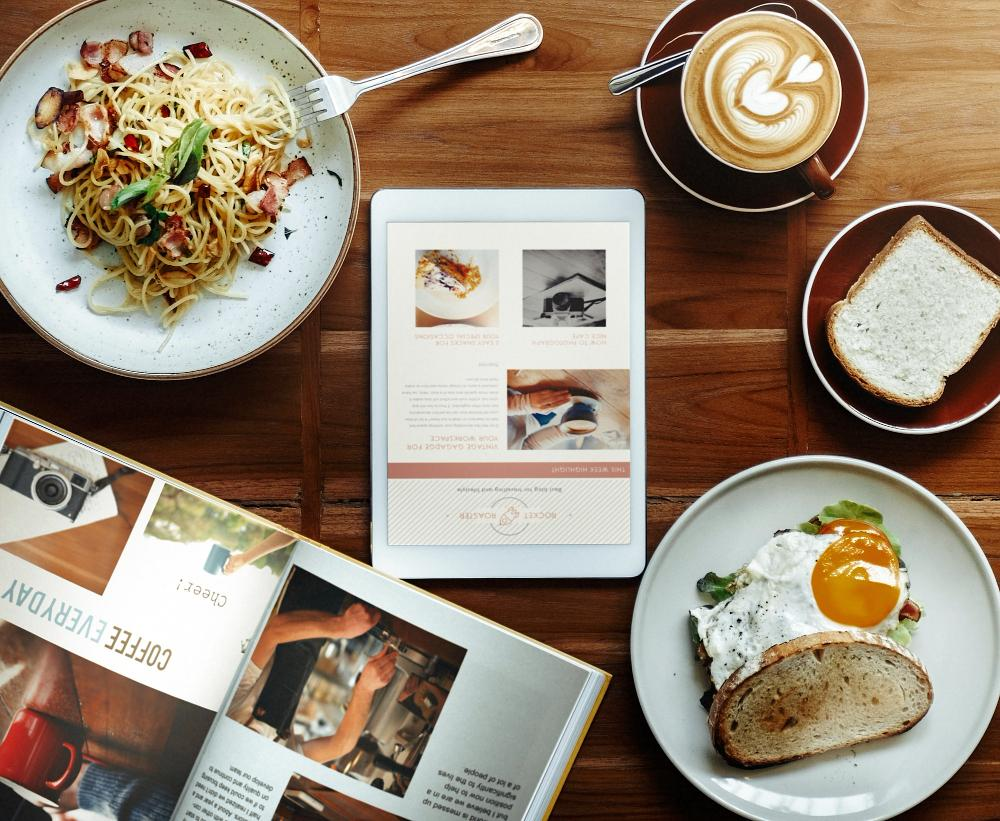
Media coverage is one of the most powerful forms of PR because it builds credibility through third-party validation. When a trusted publication, journalist, or food critic talks about your restaurant, it immediately increases your authority in the eyes of potential customers.
To get started, restaurants should actively reach out to food bloggers, local journalists, lifestyle magazines, and online publications. Instead of sending generic messages, focus on pitching a unique story, this could be your chef’s journey, a signature dish, a cultural concept, or a new menu launch.
Press releases are another important tool. You should use them to announce key updates like grand openings, menu changes, special events, or collaborations. A well-written press release can significantly increase your chances of being picked up by media outlets.
Consistent media outreach helps your restaurant get featured in the best places to eat lists, reviews, and local guides, which can drive both online visibility and real foot traffic.
- Influencer & Food Blogger Collaborations
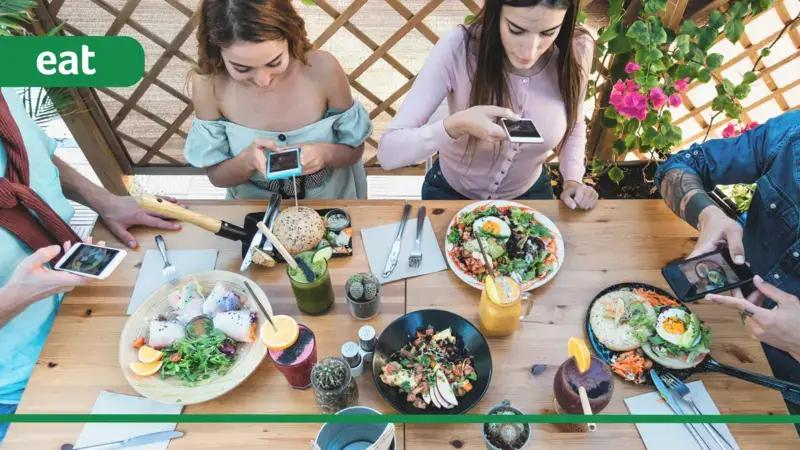
Influencer marketing is a key PR strategy for restaurants, especially in the age of Instagram, YouTube, and short-form video content. Food bloggers and influencers have loyal audiences who trust their recommendations, making them highly effective for driving awareness and visits.
Restaurants can partner with influencers by inviting them for complimentary dining experiences in exchange for honest reviews and social media posts. These collaborations work best when the influencer’s audience matches your target market.
Hosting influencer tasting events is another powerful tactic. By inviting multiple creators at once, you can generate a wave of content, photos, reels, stories, and reviews, all within a short period. This creates a strong buzz around your restaurant.
Additionally, encourage user-generated content by creating visually appealing dishes, interiors, and experiences that customers naturally want to share. Reposting this content builds authenticity and strengthens your online presence.
- Event-Based PR
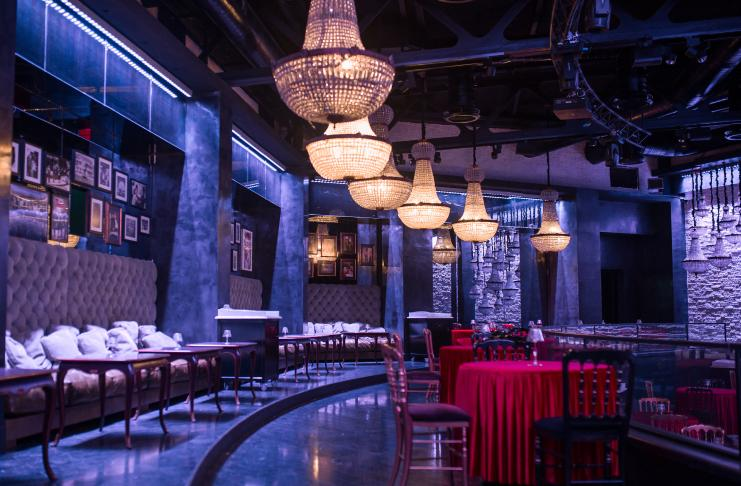
Events are a highly effective way to create excitement and give people a reason to talk about your restaurant. Unlike regular promotions, events offer experiences, which are more memorable and shareable.
Restaurants can host launch parties, themed nights, live music evenings, or seasonal events (like festive menus or special dining experiences). These events not only attract customers but also encourage media coverage and social sharing.
Collaborating with guest chefs, brands, or local businesses can further enhance the appeal. For example, a chef collaboration dinner or a brand partnership event can attract new audiences and generate media interest.
The key to successful event-based PR is creating something unique and newsworthy. When people feel they are part of an exclusive or limited-time experience, they are more likely to attend, share, and recommend it to others.
- Social Media PR
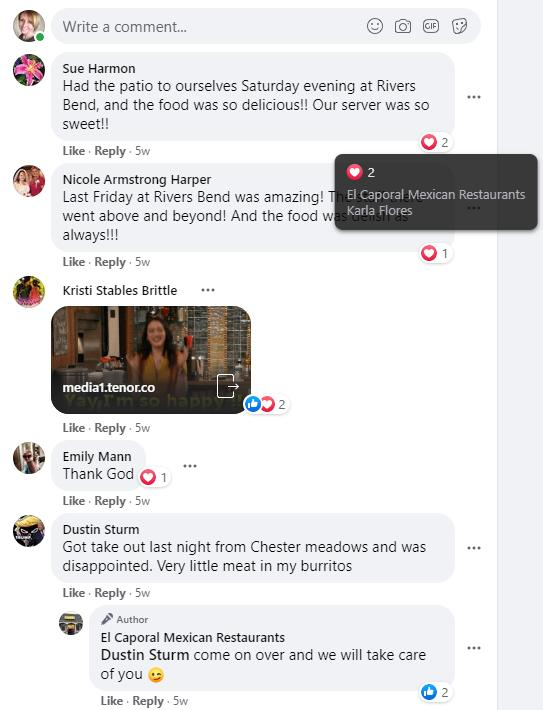
Social media is one of the most accessible and powerful PR tools for restaurants. It allows you to control your brand narrative, engage directly with customers, and build a loyal community.
Start by developing a strong and consistent brand voice, whether it’s premium, casual, fun, or quirky. Your tone, visuals, and messaging should reflect your restaurant’s identity.
Engagement is equally important. Responding to comments, messages, and mentions shows that you value your customers and helps build stronger relationships. Social media is not just about posting; it’s about interaction and connection.
Sharing behind-the-scenes content, like food preparation, chef stories, team culture, or daily operations, adds authenticity and humanizes your brand. This kind of content often performs well because it gives audiences a deeper connection to your restaurant.
- Online Reviews & Reputation Management
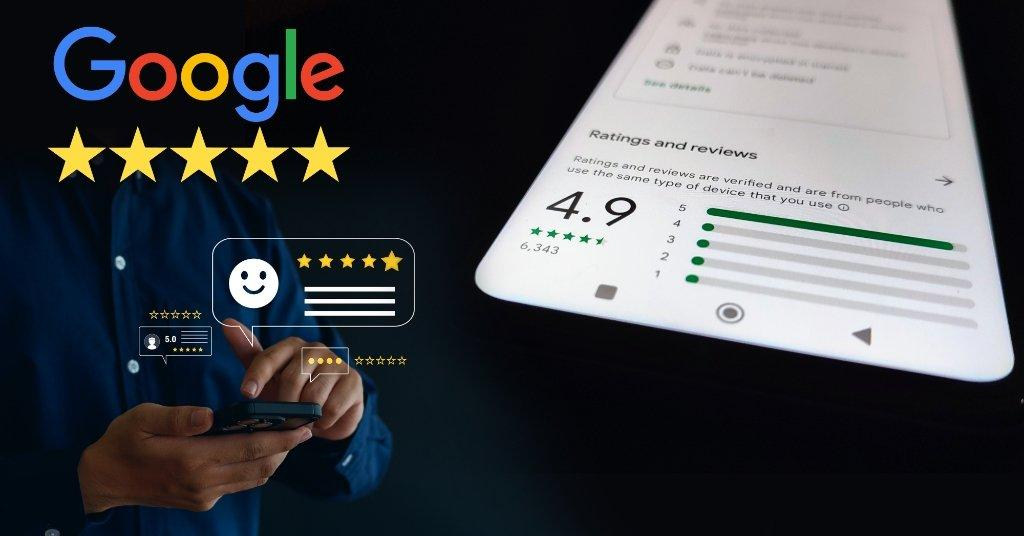
Online reviews play a crucial role in shaping your restaurant’s reputation. Before visiting a restaurant, most customers check platforms like Google to evaluate ratings, feedback, and overall experience.
Managing these reviews effectively is essential. Always respond to both positive and negative reviews. Thank customers for good feedback and address complaints professionally, this shows transparency and builds trust.
Encouraging satisfied customers to leave reviews can significantly boost your online reputation. Simple actions like asking politely, offering reminders, or using QR codes can increase review volume.
Reputation management is not just about damage control; it’s about actively building a strong and trustworthy brand image. A restaurant with consistent positive reviews and professional responses stands out and attracts more customers.
How to Create a Restaurant PR Strategy
A successful restaurant PR strategy is built on clear planning, strong storytelling, and consistent execution. Instead of random promotions, a structured approach helps you build long-term visibility, trust, and customer engagement. Here’s how to create an effective PR strategy for your restaurant:
- Define Your Target Audience
The first step in any PR strategy is understanding who you want to reach. Identify your ideal customers based on factors like age, location, preferences, and dining habits. Whether you’re targeting families, young professionals, or food enthusiasts, knowing your audience helps you create more relevant and impactful PR campaigns.
- Identify Your Brand Story and Unique Selling Point (USP)
Every successful restaurant has a story that makes it stand out. It could be your chef’s journey, a unique cuisine style, or a special dining experience. Your USP should clearly explain why customers should choose you over competitors. A strong brand story makes your PR efforts more authentic and memorable.
- Choose the Right PR Channels
Not all PR channels will work for every restaurant. Select platforms that align with your audience, such as food bloggers, local media, Instagram influencers, or review platforms like Google. Choosing the right channels ensures your message reaches the right people at the right time.
- Build Media and Influencer Lists
Create a curated list of journalists, food bloggers, and influencers who can help promote your restaurant. Focus on individuals who already cover food, lifestyle, or local businesses. Building strong relationships with them increases your chances of getting featured in articles, posts, and reviews.
- Create a Content and Outreach Calendar
Consistency is key in PR. Plan your outreach activities, content posts, and campaigns in advance using a calendar. This helps you stay organized, maintain regular communication with media and influencers, and ensure your restaurant remains visible throughout the year.
Best Tools for Restaurant PR
Strategy and steps to follow are good, but for that to be possible, you need the right tools. Here are the top restaurant PR & marketing tools you need to know:
Design & Content Creation
- Canva: User-friendly platform for creating flyers, menus, and social media visuals.
- FoodShot AI: A specialized tool for creating professional food photos.
Social Media Management
- Hootsuite: Ideal for large restaurant chains to manage multiple accounts, schedule posts, and monitor engagement.
- Buffer: Excellent for small restaurants managing a few accounts.
Reputation Management (Reviews & Visibility)
- ReviewTrackers: Collects and analyzes reviews from Google, Facebook, and TripAdvisor to manage brand reputation.
- Podium: Consolidates reviews and SMS marketing into one platform.
- Google Business Profile: Essential for managing online presence, SEO, and local search rankings.
Email and SMS Marketing
- Mailchimp: Ideal for automated email campaigns, newsletters, and audience engagement.
- ActiveCampaign AI: Useful for personalized SMS and email marketing triggered by customer behavior.
Customer Relationship Management (CRM)
- Salesforce: A powerful CRM platform for managing customer data, behavior, and loyalty programs.
Visibility & Bookings
- OpenTable: Increases visibility by listing restaurants on a platform that seats millions of diners.
- Owner.com: Helps manage websites, loyalty, and online ordering to reduce reliance on third-party apps.
A Real-World Example of Successful Restaurant PR
A powerful real-world example comes from New York City’s Caravan of Dreams, a well-known vegan restaurant. The restaurant faced a severe financial crisis when it lost $300K in a fraud scheme, struggling with declining business.
However, its situation changed dramatically when a well-known storyteller and influencer shared the owner’s emotional story on social media.
The post quickly went viral, leading to a massive wave of public support and donations through crowdfunding platforms. Within a short time, the restaurant raised over $300,000, cleared its debts, and experienced a surge in customer visits.
This turnaround shows how organic PR and storytelling can directly save and revive a restaurant business.
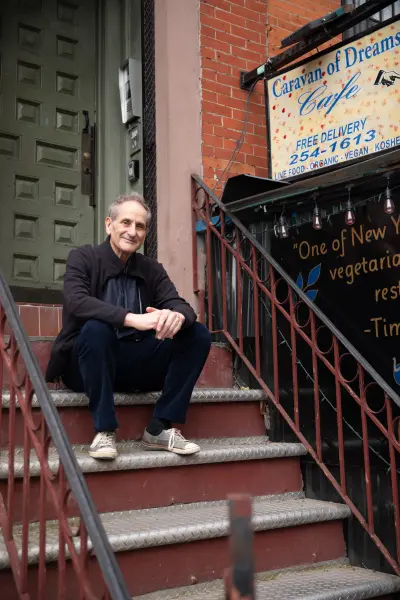
Angel Moreno, owner of Caravan of Dreams, sits on the steps next door to his restaurant, Caravan of Dreams, the oldest vegan restaurant in NYC. Source: NEW YORK POST
Common PR Mistakes Restaurants Should Avoid
Common restaurant PR and marketing mistakes include ignoring online presence & reviews, poor social media quality, and a lack of consistent branding. Other critical errors are neglecting local SEO, failing to tell a compelling brand story, over-relying on discounts, and failing to engage with the community.
Here are the top PR and marketing mistakes restaurants should avoid:
Digital and Social Media Failures
- Ignoring Online Reviews: Neglecting to respond to reviews, especially negative ones, damages reputation and trust.
- Ignoring Local SEO: Not optimizing for “near me” searches makes it difficult for local customers to find the restaurant.
- Poor Visuals and Social Content: Using low-quality, blurry, or stock photos fails to grab attention and can make food look unappealing.
- Neglecting Digital Presence: Failing to maintain an active, engaging social media presence in a digital-first world leads to low brand awareness.
Brand and Marketing Missteps
- Inconsistent Branding: Inconsistent messaging, imagery, or branding across different platforms confuses customers and weakens brand recognition.
- No Clear Story & Brand Promise: Lacking a clear narrative or brand promise makes the restaurant forgettable and generic.
- Underutilizing Community Engagement: Failing to connect with the local community misses opportunities for word-of-mouth marketing and loyal partnerships.
- Over-reliance on Discounts: Constantly offering deals can devalue the brand and attract bargain hunters rather than loyal customers.
Communication and Strategy Mistakes
- Not Understanding the Audience: Failing to target the right audience with marketing efforts leads to wasted budget.
- Poorly Timed Responses: Slow or absent responses on social media comments can erode trust and cause missed engagement opportunities.
- Not Promoting Specials & Events: Failing to promote unique events and special offers results in missed opportunities for revenue and brand building.
Tips to Improve Your Restaurant PR
Here are the top tips to improve your restaurant PR:
- Leverage Social Media for Storytelling: Use Instagram and TikTok to showcase behind-the-scenes content, such as kitchen prep or staff spotlights, to create a personal connection.
- Partner with Local Influencers and Media: Build relationships with local food bloggers, journalists, and community influencers to gain organic coverage.
- Host Unique Local Events: Drive traffic by organizing events such as live music, wine tastings, or paint nights, which can also foster community goodwill.
- Manage Online Reputation Actively: Promptly respond to both positive and negative reviews on platforms like Google and Yelp to show that you value customer feedback.
- Find Your Newsworthy Angle: Highlight unique selling points, such as sustainable practices, a novel menu item, or a chef’s background, to capture media attention.
- Engage in Community Partnerships: Sponsor local sports teams or artists, and connect with local charities to build brand loyalty and visibility.
- Leverage SMS Marketing: Utilize text message marketing to inform loyal customers about events, specials, and to encourage repeat visits.
- Utilize Professional Assets: Before launching a PR push, ensure you have professional, high-quality photos of food and the venue to share with the media
Conclusion
Public relations is not just an optional strategy for restaurants; it’s a powerful tool for long-term growth and success. By focusing on building awareness, earning trust, and creating meaningful connections with your audience, PR helps your restaurant stand out in a crowded market.
From gaining media coverage and collaborating with influencers to managing online reviews and hosting engaging events, each PR effort contributes to a stronger brand image and increased customer interest. The key is consistency and authenticity, because customers are more likely to support restaurants that communicate openly and deliver memorable experiences.
By implementing the right PR strategies and continuously engaging with your audience, you can not only attract more customers but also build a loyal community around your restaurant that supports your business for years to come.
FAQs
How can PR help a restaurant get more customers?
PR increases exposure through media features, influencer promotions, and online reviews, which directly influence customer decisions. When people see your restaurant recommended by trusted sources, they are more likely to visit.
What are the most effective PR strategies for restaurants?
The most effective strategies include media outreach, influencer marketing, event-based promotions, social media engagement, and reputation management. Combining these approaches ensures consistent brand visibility and growth.
How do restaurants get media coverage?
Restaurants can get media coverage by pitching unique stories, sending press releases, building relationships with journalists, and offering exclusive experiences. Having a strong brand story or unique concept increases your chances of being featured.
How important are online reviews in restaurant PR?
Online reviews are critical because they directly impact customer perception. Positive reviews build trust, while negative reviews, if handled properly, show professionalism and improve brand image.
Should restaurants work with influencers or food bloggers?
Yes, collaborating with influencers and food bloggers can significantly boost visibility. They help showcase your food, ambiance, and experience to a wider audience, especially on platforms like Instagram and YouTube.
How much does restaurant PR cost?
The cost of restaurant PR varies depending on the approach. It can range from low-cost DIY efforts (social media and outreach) to hiring PR agencies, which may charge monthly retainers. The investment depends on your goals and scale.
Can small or local restaurants benefit from PR?
Absolutely. PR is not just for big brands, but local restaurants can also benefit greatly by focusing on community engagement, local media coverage, and social media presence to attract nearby customers.
What is the difference between restaurant PR and marketing?
PR focuses on building reputation and trust through earned media, while marketing involves paid promotions and advertising. Both work together, but PR delivers more long-term credibility. Explore digital marketing vs public relations to know more.
How long does it take to see results from restaurant PR?
PR is a long-term strategy. While some campaigns, like influencer posts or events, can generate quick buzz, consistent efforts are needed to build lasting brand recognition and trust.
What are common PR mistakes restaurants should avoid?
Common mistakes include ignoring customer feedback, inconsistent branding, lack of storytelling, poor communication with media, and relying only on paid ads instead of building organic credibility.