Table of Contents
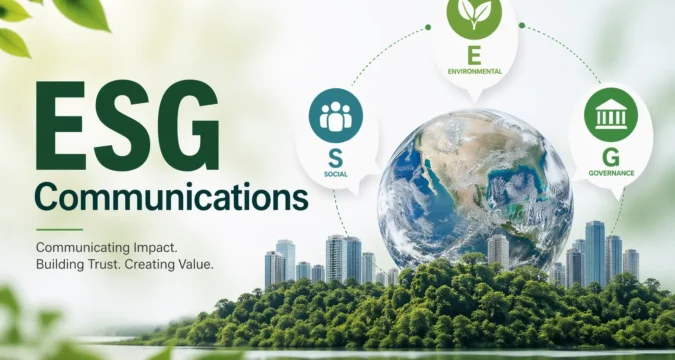
In today’s business landscape, companies aren’t evaluated solely on financial performance. How they impact the environment, society, and governance practices plays an equally critical role. This shift has made ESG (Environmental, Social, and Governance) a central focus for investors, customers, regulators, and employees alike.
However, having strong ESG initiatives is only part of the equation; communicating those efforts effectively is what truly builds trust and credibility. ESG communication goes beyond publishing sustainability reports. It involves crafting clear, transparent, and data-backed narratives that resonate with diverse stakeholders.
In an era where misinformation and greenwashing concerns are rising, organizations must prioritize authenticity, consistency, and accountability in their messaging. A well-defined ESG communication strategy not only strengthens brand reputation but also supports long-term business growth and stakeholder relationships.
This guide walks you through the key elements, channels, best practices, and step-by-step strategies needed to build an effective ESG communication framework that delivers real impact.
What Is ESG Communications?
ESG communication is the strategic, transparent narrative of an organization’s environmental, social, and governance (ESG) performance. It aims to build trust with stakeholders by aligning actions with messaging.
ESG communication goes beyond technical reporting to share progress, goals, and impacts via websites, social media, and reports, combating “greenwashing” through authenticity.
Key Aspects of ESG Communication:
- Purpose: ESG communication aims to enhance brand value, satisfy stakeholder demands for transparency, and attract investment.
- Content: It focuses on communicating sustainability goals, performance metrics, and progress toward goals, such as reducing scope 1 and 2 emissions.
- Channels: The ESG channels include sustainability reports, social media posts, press releases, and websites.
- Best Practices: ESG best practices are authenticity, alignment with company objectives, and presenting data in accessible, engaging ways.
Why ESG Communication is Important
Effective ESG communication is crucial for a brand to build trust, enhance brand reputation, attract investors, and meet regulatory requirements. What’s more, 72% of consumers want better ESG communications from companies.
Transparent communication of sustainability efforts mitigates risks, drives long-term value, and engages stakeholders by shifting from storytelling to story doing. Here’s why ESG is important for brands:
- Builds Trust and Reputation: Honest, detailed reporting on ESG initiatives and progress, even if targets are missed, fosters credibility and brand loyalty, moving beyond simple compliance.
- Attracts Investment and Capital: Investors rely on ESG disclosures to assess long-term resilience and risk, with standardized reporting enabling informed, responsible investment decisions.
- Navigates Regulatory Compliance: As ESG reporting requirements become stricter, such as the EU’s CSRD, proactive communication ensures companies meet legal obligations and avoid charges of greenwashing.
- Mitigates Risk & Manages Crisis: Effective communication helps identify potential ESG risks early. By doing so, it allows firms to manage reputational damage, particularly regarding supply chain or social issues.
- Attracts Talent and Boosts Engagement: Companies with strong, communicated ESG credentials are more successful at attracting and retaining employees who value purpose-driven work.
- Enhances Operational Efficiency: Highlighting ESG achievements often showcases internal initiatives that reduce costs, improve efficiency, and foster innovation.
Key Elements of an Effective ESG Communication Strategy
Key elements of an effective ESG communication include clear goals and messaging, transparency & authenticity, data-driven reporting, and more. Here’s how:
Clear ESG Goals & Messaging
A strong ESG communication strategy begins with clearly defined goals and a well-articulated message. Organizations must outline their ESG vision, mission, and long-term commitments in a way that reflects their core values.
This clarity ensures that all communication feels intentional rather than reactive. When ESG messaging is aligned with the company’s broader brand identity, it becomes more credible and easier for stakeholders to understand and trust.
Transparency & Authenticity
Transparency is the foundation of successful ESG communication that eventually builds authenticity. Companies should openly share both their achievements and areas where improvement is needed.
Overstating claims or making vague sustainability promises may lead to accusations of greenwashing, which damages credibility. Authentic communication, backed by real actions, honest disclosures, and consistent updates, helps build long-term trust with stakeholders.
Data-Driven Reporting
Effective ESG communication relies on measurable data rather than making general statements. Businesses should use clear KPIs such as carbon emissions, energy usage, diversity metrics, and governance benchmarks to demonstrate impact.
Aligning disclosures with globally recognized frameworks like Global Reporting Initiative (GRI), Sustainability Accounting Standards Board (SASB), and Task Force on Climate-related Financial Disclosures (TCFD) enhances credibility and ensures consistency with industry standards.
Consistency Across Channels
Consistency in ESG messaging across all communication channels is of the utmost importance for building a reliable brand image. Whether it’s the company website, annual reports, social media posts, or press releases, the tone, data, and commitments should remain aligned.
Inconsistent messaging is more likely to create confusion and reduce stakeholder confidence, while a unified voice reinforces trust and professionalism.
Stakeholder-Centric Communication
Different stakeholders have different expectations from ESG communication. For instance, investors may look for financial risks and governance data, while customers may focus on environmental impact and ethical practices.
Tailoring messages to each audience segment ensures relevance and engagement. At the same time, using simple, clear, and jargon-free language makes ESG information accessible to a wider audience.
ESG Communication Channels
Choosing the right mix of communication channels is critical to effectively reach and engage stakeholders. A multi-channel approach ensures that ESG messages are visible, accessible, and consistently reinforced. Here’s all about the ESG communication channel you should consider:
- Corporate Website (ESG/Sustainability Section): A dedicated ESG or sustainability page acts as a central hub for all disclosures, reports, policies, and updates. It is often the first place stakeholders look for ESG information.
- Sustainability Reports: Annual or periodic ESG reports provide a comprehensive overview of a company’s performance, goals, and progress. These reports are essential for investors and regulatory compliance.
- Social Media Platforms (LinkedIn, Twitter): Social media platforms help amplify ESG initiatives, share updates in real time, and engage directly with audiences. They are especially effective for storytelling and brand positioning.
- Press Releases & Media Outreach: Media coverage helps build credibility and reach a broader audience. Announcing ESG milestones, partnerships, or achievements through press releases enhances public visibility.
- Investor Presentations: ESG factors are increasingly important in investment decisions. Including ESG metrics and strategies in investor communications strengthens confidence and attracts responsible investors.
- Internal Communication (Emails, Newsletters): Employees play a key role in ESG success. Regular internal updates keep them informed, engaged, and aligned with the company’s sustainability goals.
How to Create an ESG Communication Strategy
Creating an ESG communication strategy involves defining objectives, identifying the target audience, developing key messages, choosing the right channels, and more. Here’s how:
Define Objectives
The first step in building an ESG communication strategy is to establish clear and measurable objectives. These goals should align with broader business priorities such as enhancing brand reputation, attracting investors, improving stakeholder trust, or meeting regulatory requirements.
Well-defined objectives provide direction and help evaluate the effectiveness of your communication efforts over time.
Identify Target Audience
An effective ESG strategy takes into consideration that different stakeholders have different expectations. For instance, investors may seek detailed ESG data and risk analysis, while customers often value transparency and ethical practices.
Employees, regulators, NGOs, and media also require tailored communication. Identifying and segmenting your audience ensures that your messaging is relevant, impactful, and audience-specific.
Develop Key Messages
Once objectives and audiences are clear, the next step is to craft strong ESG messages. These should highlight your company’s commitments, initiatives, and measurable impact in environmental, social, and governance areas.
Make sure you focus on clarity and authenticity, avoid vague claims, and instead communicate specific actions and outcomes. Incorporating real stories, milestones, and case examples is more likely to make your messaging more engaging and credible.
Choose the Right Channels
Selecting the appropriate communication channels is crucial for reaching your audience effectively. A mix of digital and traditional platforms, such as corporate websites, sustainability reports, social media, press releases, and investor communications, works best.
The choice of channels should depend on where your stakeholders are most active and how they prefer to consume information. Make your choice for the channels accordingly.
Create a Content Plan
Consistency is key in ESG communication, and that requires a structured content plan. Develop a content calendar that includes sustainability reports, blog posts, case studies, social media updates, and campaign-based storytelling.
Ensure you plan content around key dates such as annual report releases, global sustainability events, or major company milestones to maintain regular engagement.
Ensure Data Accuracy & Compliance
Your ESG communication needs to be backed by accurate, verifiable data. Therefore, you should establish internal processes to collect, validate, and report ESG metrics consistently.
Aligning disclosures with recognized frameworks like Global Reporting Initiative (GRI), Sustainability Accounting Standards Board (SASB), and Task Force on Climate-related Financial Disclosures (TCFD) ensures credibility and compliance with global standards.
Monitor, Measure & Improve
An ESG communication strategy should evolve based on performance and feedback. Track key metrics such as stakeholder engagement, website traffic, media coverage, and investor interest.
Don’t just monitor, use these insights to refine your messaging, improve transparency, and address any communication gaps. Continuous monitoring helps ensure your ESG communication remains relevant, effective, and aligned with stakeholder expectations.
Common ESG Communication Challenges
There are many ESG communication challenges that you may encounter. These include risk of greenwashing allegations, lack of reliable & standerdized data, complex ESG metrics, and more. Here’s how:
- Risk of Greenwashing Allegations: Overstating sustainability claims or using vague language may lead to loss of credibility, public backlash, and even regulatory scrutiny.
- Lack of Reliable & Standardized Data: Many organizations struggle to collect accurate ESG data across departments. It makes it difficult to report consistently and confidently.
- Complex ESG Metrics & Terminology: ESG data can be technical and difficult for general audiences to understand, which leads to confusion or misinterpretation.
- Inconsistent Messaging Across Channels: Misalignment between reports, website content, and social media messaging is likely to weaken brand trust and create credibility gaps.
- Evolving Regulations & Standards: Constantly changing ESG regulations and frameworks make it challenging for companies to stay compliant and up to date.
- Low Stakeholder Trust: Growing skepticism among investors and consumers makes it harder for companies to gain trust without strong proof of impact.
Best Practices for Effective ESG Communication
Best practices for effective ESG communication are prioritizing transparency, using data-backed storytelling, aligning with brand purpose, maintaining consistency across channels, and more. Here’s all you need to know about the ESG communication best practices:
- Prioritize Transparency & Honesty: Clearly communicate both achievements and areas for improvement to build long-term credibility and trust.
- Use Data-Backed Storytelling: Combine measurable ESG metrics with real-world examples and stories to make communication both credible and engaging.
- Align ESG with Brand Purpose: Ensure ESG messaging reflects the company’s core values and overall business strategy for authenticity.
- Keep Messaging Simple & Clear: Avoid jargon and technical complexity so that ESG information is accessible to all stakeholders.
- Maintain Consistency Across Channels: Deliver a unified message across reports, websites, social media, and PR efforts to reinforce trust.
- Engage Stakeholders Regularly: Provide continuous updates through multiple touchpoints rather than relying only on annual reports.
Measuring ESG Communication Success
Just implementing isn’t enough. But you need to consistently measure the ESG communication success. When you conduct consistent measurement, you’re more likely to be aware of what needs to be done for better outcomes. Here’s how:
- Stakeholder Engagement Metrics: Track likes, shares, comments, downloads, and time spent on ESG-related content to understand audience interest.
- Media Coverage & Sentiment Analysis: Evaluate how often your ESG initiatives are covered in the media and whether the sentiment is positive, neutral, or negative.
- Website & Content Performance: Monitor traffic, bounce rates, and conversions on ESG pages to assess content effectiveness.
- Investor Interest & Inquiries: Measure increased investor engagement, ESG-related questions, and participation in sustainability-focused discussions.
- ESG Ratings & Rankings: Track performance in external ESG ratings and benchmarks to evaluate credibility and industry standing.
- Employee Engagement: Assess internal awareness and participation in ESG initiatives through surveys and feedback.
Tools for ESG Communication
Besides, strategies and best practices tools play a major role in implementing ESG communication strategies. Here are the tools for ESG communication you need:
- ESG Reporting Frameworks & Standards: Use globally recognized frameworks like Global Reporting Initiative (GRI) and Sustainability Accounting Standards Board (SASB) to structure and standardize disclosures.
- Media Monitoring Tools: Track brand mentions, ESG-related coverage, and journalist activity using tools like Meltwater and Sprout Social to manage public perception effectively.
- Social Listening Platforms: Platforms like Talkwalker by Hootsuite for trend identification, and Sprout Social help you monitor conversations, trends, and audience sentiment around sustainability topics and your brand’s ESG initiatives.
- Analytics & Reporting Dashboards: Use tools like Google Analytics or business intelligence platforms to measure ESG content performance and audience behavior.
- Reputation Management Tools: Tools like Birdeye and Podium allow you to manage online reviews, feedback, and brand perception to maintain trust and quickly address negative sentiment.
- Content Management & Publishing Tools: These tools enable you to streamline the creation and distribution of ESG content across websites, blogs, and social platforms for consistency.
Wrapping Up!
ESG communication has evolved from a supplementary effort into a strategic necessity for modern organizations. As stakeholders demand greater transparency and accountability, businesses must move beyond vague claims and focus on clear, consistent, and data-driven messaging that reflects genuine impact.
An effective ESG communication strategy is built on strong foundations, defined goals, stakeholder-centric messaging, credible reporting, and the right mix of communication channels. By aligning ESG narratives with business values and continuously measuring performance, companies can foster trust, enhance reputation, and create meaningful connections with their audiences.
Ultimately, successful ESG communication is not just about sharing achievements; it’s about demonstrating commitment, acknowledging challenges, and showing continuous progress. Organizations that embrace this approach will be better positioned to stand out, attract responsible investors, and drive sustainable growth in the long run.
FAQs
What are the 4 pillars of ESG?
The 4 pillars of ESG are Environmental, Social, Governance, and often Reporting/Disclosure. Together, they form a framework to measure a company’s sustainability, ethical impact, and long-term risk management.
Why is ESG communication important for businesses?
It builds trust, enhances brand reputation, attracts investors, ensures regulatory compliance, and helps companies demonstrate their long-term sustainability and ethical commitments.
How is ESG communication different from CSR communication?
While CSR focuses on voluntary social initiatives, ESG is more data-driven, measurable, and often tied to financial performance and investor decision-making.
What are the key components of effective ESG communication?
Transparency, data-backed reporting, consistent messaging, stakeholder-focused communication, and alignment with recognized ESG frameworks are essential components of ESG communication.
What are ESG reporting frameworks?
The ESG reporting frameworks include standardized guidelines like GRI, SASB, and TCFD that help companies measure, manage, and communicate their ESG performance in a structured way.
How often should companies publish ESG reports?
Most companies publish ESG or sustainability reports annually, but regular updates through websites, press releases, and social media help maintain transparency year-round.
What is greenwashing in ESG communication?
Greenwashing in ESG communication occurs when a company exaggerates or falsely claims its environmental or social efforts to appear more sustainable than it actually is.
Which channels are best for ESG communication?
Corporate websites, sustainability reports, social media platforms, press releases, investor presentations, and internal communications are commonly used channels for ESG communication.
How can small businesses implement ESG communication effectively?
Start with clear goals, focus on a few impactful initiatives, communicate honestly, use simple metrics, and share updates consistently across digital platforms.
How can companies measure the success of ESG communication?
You can measure ESG communication success through stakeholder engagement, media coverage, ESG ratings, investor interest, and website traffic to sustainability-related content.