Table of Contents
In today’s digital world, only taking your business online doesn’t work; you have to implement strategies to boost organic traffic. There are many ways; however, Public Relations (PR) is one of the ways to boost your organic traffic.
Public Relations (PR) and SEO, when combined, create a powerful strategy to boost organic traffic. PR earns media coverage, backlinks, and brand mentions, while SEO ensures that visibility translates into search rankings.
Brands like Qooper and Swyft Filings have already leveraged the benefits of PR and SEO, and now it’s your turn. Thinking about it? Don’t worry! This blog explores how digital PR can fuel your SEO efforts and drive long-term growth. Here’s how!
Understanding PR in the Digital Age?
PR stands for Public Relations, which is the strategic management of communication to build mutually beneficial relationships and trust between an organization and the public. It involves managing reputation through media coverage, crisis management, and brand storytelling.
PR is no longer limited to newspapers, TV, or radio. Today, it happens mostly online, through websites, blogs, and social platforms. These are the differences between traditional PR and digital PR. Digital PR is faster, more measurable, and focused on reaching audiences where they already spend time.
Online publications, bloggers, and influencers act as modern gatekeepers of attention. A single mention from a trusted blog or creator can reach thousands of people instantly and shape how audiences perceive your brand.
Key PR Activities
- Press Releases: Official announcements shared with the media to highlight news, launches, or updates.
- Media Outreach: Connecting with journalists, bloggers, and editors to pitch stories or gain coverage.
- Brand Mentions: Getting your brand talked about across websites and platforms to build visibility and trust.
- Online Reputation Management: Monitoring and managing what people say about your brand to maintain a positive image online.
What Is SEO and Why Does It Matter?
Search Engine Optimization (SEO) is the process of improving your website so that it appears higher in search engine results when people look for relevant topics, products, or services. Instead of paying for visibility, SEO helps you earn it organically.
What makes SEO so valuable is its long-term impact. Unlike ads that stop bringing traffic the moment you stop spending, organic traffic keeps coming as long as your content
continues to rank. This means better sustainability, higher trust, and more consistent growth over time.
To understand how SEO works, it helps to break it into three core parts:
- On-page SEO: It focuses on what’s inside your website, your content, keywords, headings, and overall user experience. It ensures your pages are relevant and useful to both users and search engines.
- Off-page SEO: It happens outside your website. This mainly includes backlinks, brand mentions, and signals that show your site is trusted and authoritative.
- Technical SEO: It deals with the backend, things like website speed, mobile-friendliness, and proper indexing. It ensures search engines can easily crawl and understand your site.
When these three elements work together, your website becomes more visible, more trustworthy, and far more likely to attract consistent organic traffic.
The Connection Between PR and SEO
PR and SEO are more connected than they seem. PR builds visibility and credibility, while SEO turns that into search rankings and traffic. When PR gets your brand featured online, it naturally supports your SEO efforts.
Traditional backlinks are often created manually, sometimes with little context. In contrast, PR-driven backlinks come from real media coverage, making them more relevant, natural, and impactful.
At the core, both rely on the same thing: trust and authority. PR earns it through third-party validation, and SEO rewards it with better rankings.
How PR Boosts Organic Traffic
Public Relations isn’t just about getting your brand out there. When done right, it quietly strengthens the very signals search engines rely on: authority, trust, and relevance. Over time, this translates into one thing that matters most, which is consistent organic traffic. Let’s break down how that actually happens.
High-Quality Backlinks
One of the biggest SEO advantages of PR is the kind of backlinks it earns. When your brand gets featured in a reputable publication, whether it’s a news site, industry blog, or online magazine, you often get a link back to your website. But these aren’t just any links. They come from trusted, high-authority domains, which carry real weight in search engine algorithms.
Unlike traditional link-building (which can sometimes feel forced), PR links are earned, not built. They exist because your content, story, or expertise genuinely deserves attention.
Over time, these backlinks strengthen your website’s authority, help search engines trust your content more, and improve your chances of ranking higher for competitive keywords
Brand Mentions and Citations
Not every PR win comes with a clickable link, and that’s okay. Even when your brand is simply mentioned (without a hyperlink), it still sends a strong signal to search engines. These are called brand citations, and they help establish your presence across the web.
Think of it this way: if multiple credible websites are talking about your brand, Google starts to see you as relevant and trustworthy, even if they’re not linking directly. In the long run, consistent mentions reinforce your brand identity, improve search engine recognition, and support your overall authority in your niche
Increased Content Visibility
Great content doesn’t perform well if no one sees it, and this is where PR changes the game. A well-executed PR campaign can take a single piece of content and put it in front of thousands, or even millions, of people through media coverage, shares, and syndication.
This increased exposure leads to:
- More people are visiting your site
- More chances of your content being shared or referenced
- Higher engagement signals (like time on page and lower bounce rates)
All of these indirectly support your SEO performance. Search engines notice when users interact positively with your content.
Referral Traffic That Fuels SEO
When your brand is featured on a popular platform, people don’t just read about you; they click through to learn more. This is called referral traffic, and it’s highly valuable because:
- It brings in genuinely interested users
- It increases on-site engagement
- It signals to search engines that your content is worth exploring
Over time, this steady flow of relevant visitors strengthens your overall organic presence.
Earning Featured Placements
PR opens doors to placements you simply can’t buy through traditional SEO. We’re talking about featured articles, expert quotes in industry roundups, interviews, and opinion pieces
These placements put your brand in front of highly targeted audiences while also associating you with trusted platforms. The result?
- Higher credibility in the eyes of users
- Better click-through rates when people see your brand in search results
- Stronger brand recall, which often leads to direct searches
Improved E-E-A-T (Experience, Expertise, Authority, Trust)
Search engines are increasingly focused on E-E-A-T, a framework used to evaluate the quality and credibility of content. PR plays a huge role here.
When your brand is consistently featured on reputable platforms, quoted as an expert, or included in authoritative discussions, it builds third-party validation. And that’s far more powerful than anything you can say about yourself on your own website.
PR helps you demonstrate:
- Experience through real-world insights and stories
- Expertise by being quoted or published
- Authority through high-quality mentions and backlinks
- Trust by association with credible sources
This combination makes your website far more appealing—not just to users, but to search engines as well.
Building Branded Search Demand
One often-overlooked benefit of PR is that it makes people search for you. After seeing your brand in an article or news feature, users are more likely to:
- Google your brand name
- Visit your website directly
- Look for your products or services
This increase in branded searches is a strong signal to search engines that your brand is gaining popularity and trust.
Long-Term Compounding Effect
Unlike paid ads, where traffic stops the moment you stop spending, PR has a compounding effect. A single media mention can:
- Keep driving traffic for months (or even years)
- Continue passing SEO value through backlinks
- Lead to more coverage as other publications pick up your story
In other words, PR doesn’t just give you a spike; it builds momentum.
Digital PR Strategies That Improve SEO
Digital PR isn’t about randomly sending emails to journalists and hoping for coverage. It’s about creating value that people naturally want to talk about, share, and reference.
The strategies below are the strategies that consistently lead to high-quality backlinks, brand visibility, and long-term SEO growth.
Creating Newsworthy Content
If you want media coverage, you need to give the media something worth covering. Most brands make the mistake of promoting themselves. Journalists don’t care about your product; they care about stories that matter to their audience.
Newsworthy content usually has one or more of these elements:
- Timeliness (connected to current trends or events)
- Uniqueness (a fresh angle or perspective)
- Impact (something that affects a large group of people)
- Emotion (surprising, inspiring, or even controversial)
For example, instead of writing “We launched a new service,” a better angle would be:
New data shows 70% of homeowners regret their interior design choices, here’s why.”
That’s the kind of content journalists pick up, and when they do, you earn organic backlinks and massive visibility.
Data-Driven Campaigns and Reports
If there’s one type of content that consistently earns links, its original data. When you publish surveys, studies, or industry reports, you’re not just creating content; you’re creating a source. And sources get cited.
This could include:
- Surveys and consumer insights
- Industry trend reports
- Case studies with real results
- Statistical breakdowns of a problem
The reason this works so well is simple:
Writers, bloggers, and journalists are always looking for credible data to support their stories. If your content provides that, they’ll naturally link back to you. Over time, this positions your website as a go-to authority, which is exactly what search engines reward.
Guest Posting on High-Authority Websites
Guest posting still works, but only when done right. The goal here isn’t to drop links on any site that accepts content. It’s about contributing valuable, well-written articles to platforms that already have credibility in your industry.
When you publish on high-authority websites:
- You tap into an existing audience
- You build trust by association
- You earn contextual backlinks that actually matter
The key is to focus on quality over quantity. One article on a respected website is far more valuable than ten on low-quality blogs.
Also, think beyond backlinks. A good guest post can:
- Drive targeted traffic
- Improve brand recognition
- Lead to more PR opportunities
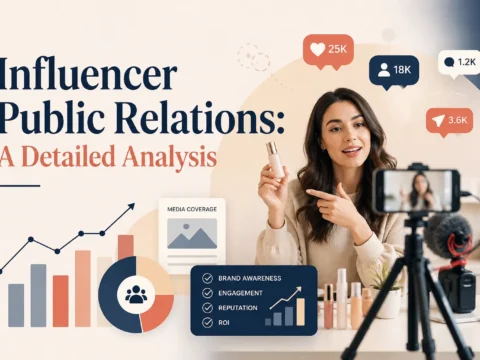
Influencer Collaborations
Influencers aren’t just for social media anymore; they’re a powerful part of digital PR.
When influencers talk about your brand, review your product, or collaborate on content, it often leads to:
- Mentions across blogs, YouTube, and social platforms
- Increased brand searches
- Natural backlinks from their websites or others referencing them
- The SEO benefit here is indirect but powerful.
Search engines notice when:
- Your brand is being talked about across platforms
- People are searching for you more frequently
- Your content is gaining traction
- The key is to collaborate with influencers who have:
- Real engagement (not just followers)
- Relevance to your niche
- Credibility with their audience
HARO (Help a Reporter Out) Strategy
Platforms like Help a Reporter Out connect journalists with experts. Here’s how it works:
Journalists send out queries looking for insights or quotes, and if your response is useful, you can get featured in their article.
This is one of the most efficient ways to earn high-authority media backlinks, often from sites you wouldn’t normally have access to.
But success with HARO isn’t about sending generic replies. You need to:
- Respond quickly (timing matters)
- Provide clear, concise, and valuable insights
- Avoid self-promotion, focus on helping the journalist
When done consistently, HARO lands you features on major publications, boosting both SEO and brand authority.
Building Relationships with Journalists
This is where many people go wrong; they treat PR as a one-time activity instead of a long-term relationship. Journalists are more likely to feature people they:
- Recognize
- Trust
- Have worked with before
- Instead of pitching randomly every time, focus on:
- Engaging with journalists’ work
- Sharing their articles
- Providing value without always asking for coverage
Over time, this makes your outreach warmer, not colder, and increases your chances of getting featured.
Leveraging Trending Topics (Newsjacking)
Sometimes, the fastest way to get coverage is to join an existing conversation. This is called newsjacking, adding your perspective to a trending topic or breaking news story. For example:
- A new government policy
- A viral social trend
- A major industry shift
If you provide a unique insight quickly, journalists may include your input in their coverage. The advantage?
- Faster visibility
- Higher chances of being featured
- Immediate SEO impact through fresh mentions and links
Measuring the Impact of PR on SEO
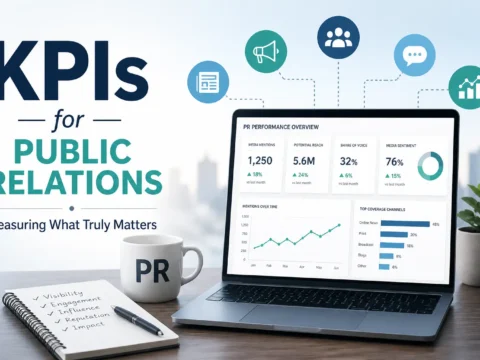
To measure the impact of PR on SEO, the following are the metrics you can opt for:
- Organic traffic growth: Track how many visitors come to your site from search engines over time, showing if PR efforts are helping improve visibility.
- Referral traffic: Measure traffic coming from articles, blogs, and media coverage to see which PR placements drive actual visitors.
- Backlinks (quality and quantity): Monitor the number of backlinks earned and their authority, as high-quality links boost SEO much more than random links.
- Keyword rankings: Check how your target keywords move in search results after PR campaigns to evaluate the impact on search visibility.
- Domain authority: Assess changes in your website’s overall credibility and trustworthiness, influenced by consistent PR-driven mentions and links.
Common Mistakes to Avoid to Boost Organic Traffic from PR
The following are the common mistakes you should avoid to boost organic traffic from PR:
- Focusing only on links, not brand value
- Ignoring the relevance of publications
- Poor outreach strategies
- Not aligning PR with SEO goals
Real-World Case Studies of PR that Boosted Organic Traffic
Here are the two success stories of PR, driving organic traffic for these brands:
- Qooper Digital PR Success Story: How Qooper Skyrocketed Organic Traffic with Digital PR
A SaaS mentoring platform used a strategic digital PR campaign focused on earning editorial mentions and high‑trust backlinks. Over six months, Qooper achieved a 2203 % increase in organic traffic by securing 57 placements with high‑authority sites and strengthening rankings through relevant links.
- Swyft Filings Digital PR Case: Swyft Filings: Driving 30% More Organic Traffic Through Strategic PR
A long‑running digital PR and SEO effort helped Swyft Filings earn press hits, guest articles, and backlinks that accounted for 30 % of organic blog traffic. Original research and media coverage established authority and drove consistent referral traffic.
Conclusion
PR and SEO aren’t separate strategies; they complement each other. Strategic PR builds authority, earns high-quality backlinks, and amplifies content, all of which strengthen your SEO performance.
By integrating PR into your marketing plan, you don’t just gain short-term visibility; you create lasting organic traffic, higher search rankings, and a trusted online presence. For more, explore digital marketing vs PR for a better understanding.
FAQs
How does PR help improve SEO?
PR improves SEO by earning high-quality backlinks, increasing brand mentions, and boosting online visibility through media coverage. These signals help search engines see your website as more authoritative and trustworthy.
What is digital PR in SEO?
Digital PR is the practice of gaining online media coverage, backlinks, and brand exposure through content, outreach, and campaigns, all aimed at improving search rankings and organic traffic.
Are PR backlinks better than traditional backlinks?
Yes, PR backlinks are typically more valuable because they come from authoritative, relevant, and trusted media websites, making them more impactful for SEO than low-quality or artificial links.
Do brand mentions without links help SEO?
Yes, unlinked brand mentions (also called citations) can still improve SEO by increasing brand awareness and helping search engines understand your credibility and relevance.
How does media coverage increase organic traffic?
Media coverage exposes your brand to a wider audience, leading to more searches, clicks, and backlinks, all of which contribute to higher rankings and increased organic traffic.
What is the difference between PR and link building?
PR focuses on storytelling, brand reputation, and media relationships, while link building focuses on acquiring backlinks. PR naturally earns high-quality links, whereas link building can sometimes be more technical or transactional.
How can small businesses use PR for SEO?
Small businesses can use PR by pitching stories to niche blogs, writing guest articles, creating data-driven content, and engaging with local media.
Can PR replace SEO?
No, PR cannot replace SEO. Instead, they work best together: PR builds authority and visibility, while SEO optimizes your website to convert that visibility into traffic.