Table of Contents
Hungry customers don’t wait. They search.
Someone nearby types “best café near me,” “late-night food delivery,” “family restaurant in [city],” or “lunch offers today.” At that moment, they are ready. They are not just looking for fun. They want food now.
This is where Google Ads for Restaurants becomes very powerful. Your restaurant appears during peak dining times, based on current customer demand. Your business is displayed to customers at the right moments, without waiting for them to discover it.
Restaurants that use paid ads along with SEO for restaurants get both fast and long-term results. SEO helps your website grow slowly over time. Google Ads gives you quick results. When you also use Influencer Marketing for restaurants and strong social media marketing for restaurants, more people learn about your brand. Together, these tools bring more calls, more bookings, and more walk-ins.
This guide will help you understand how to use Google Ads effectively so you do not waste money and get real customers.
Types of Google Ads for Restaurants That Deliver Results
Not all ads are the same. Some ads bring fast results. Some ads help people remember you. Some advertisements succeed in bringing back customers who almost completed their bookings but ultimately decided not to proceed.
The right ad selection, combined with proper timing, results in better outcomes. The following Google Ads types constitute the most effective advertising solutions for dining establishments.
- Search Ads That Capture Ready-to-Dine Customers
Search ads are the most important ads for restaurants. These ads are triggered whenever someone searches for food or dining establishments.
Your advertisement will appear at the top when someone searches for “pizza near me” or “best biryani in town.” This situation proves powerful because the person already feels hunger and stands ready to make their decision.
Best used for:
- Near me searches
- Cuisine searches like pizza, dosa, burger, and brunch
- Reservation searches
Why they work:
- They show up at the exact time people are choosing
- They bring quick calls and bookings
- They have high chances of turning clicks into customers
Search ads catch people who are already planning to eat. That is why they work so well.
- Google My Business Ads That Drive Footfall
Restaurants depend on location. Many people search on Google Maps to find food nearby.
People find it easy to visit your restaurant because your Maps listing contains high-quality photos, customer reviews, and accurate directions. The ads create visibility for your establishment when people enter the area.
Best used for:
- Getting more walk-in customers
- Competing in busy food streets
- Reaching mobile users
Why they work:
- Show directions and ratings quickly
- Help people choose fast
- Turn searches into real visits
These ads connect online searches to real-world customers.
- Performance Max Campaigns
Performance Max campaigns show your ads across many Google platforms. Your ads can appear on Search and Maps, YouTube, and Display and Discover.
More people will discover your restaurant through multiple locations.
Best used for:
- Multi-location restaurants
- Big promotions
- Seasonal offers
Why they work:
- Reach customers in many places
- Mix brand awareness and direct bookings
- Use data to improve results
This ad type works well for restaurant SEO because it keeps your brand visible everywhere.
- Display Ads for Remarketing and Recall
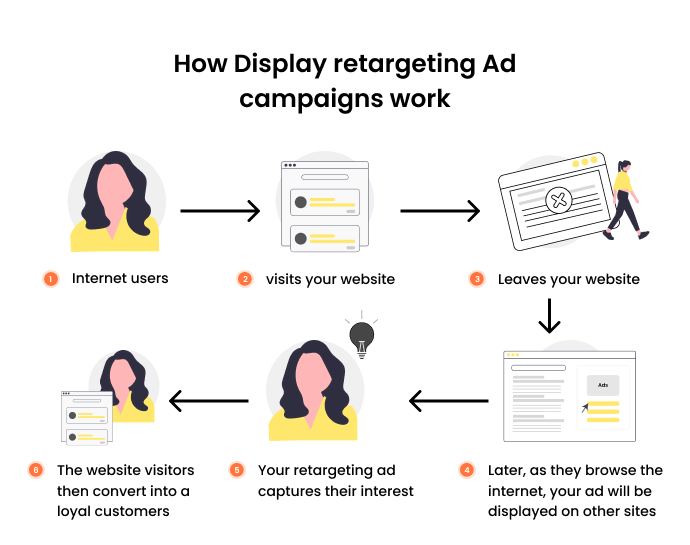
Sometimes people visit your website but do not book. Maybe they got busy. Maybe they are still deciding.
Display ads help remind them about your restaurant. These ads show on other websites they visit later.
Best used for:
- Bringing back website visitors
- Promoting special offers
- Supporting social media marketing for restaurants
Why they work:
- Keep your brand in their mind
- Bring back interested customers
- Increase repeat visits
Remarketing helps you not lose people who were already interested.
- YouTube Ads That Build Appetite and Experience
The video shows the food at its most appealing. When people see tasty dishes being prepared, they feel hungry.
YouTube ads let you showcase your ambiance, chefs, happy customers, and special dishes.
Best used for:
- Sharing your restaurant story
- Launching new menus
- Supporting Influencer Marketing for Restaurant campaigns
Why they work:
- Make people crave food
- Build trust before they search
- Create interest early
These ads help create demand before people even start searching.
- Call-Only Ads for Instant Conversions
Some people like to call directly. They want quick answers.
Call-only ads let customers tap to call your restaurant immediately.
Best used for:
- Table reservations
- Party bookings
- Takeaway orders
Why they work:
- Make booking easy
- Save time
- Bring fast results
These ads are simple and direct.
According to the PPC Chief, the restaurant’s CTR is 7.0%, compared to other industries.
Benefits of Google Ads for Restaurants
Restaurants need customers at the right time. Google Ads helps you appear when someone is ready to eat. That makes it very powerful.
Here are the main benefits.
- Captures Customers Exactly When They’re Ready to Dine
Google Ads targets people who are searching right now. They are not just browsing. They want food.
Many mobile searches lead to action within one hour. According to Guinness World Records, many people visit a restaurant within 24 hours of their search.
This makes Google Ads a strong partner to SEO for restaurants, which takes longer to grow.
- Drives Highly Targeted Local Traffic
The food is local. People usually eat near their home or office.
Google Ads lets you target small areas. You can show ads only to people within your delivery zone or city.
Benefits include:
- Less wasted money
- Better conversions
- More real customers
- Delivers Measurable and Trackable Results
You can see how many people clicked, called, or asked for directions.
You can track:
- Reservations
- Online orders
- Calls
- Direction clicks
This helps you understand what works best.
- Provides Immediate Visibility for New or Growing Restaurants
New restaurants need quick attention. SEO takes time. Social media also takes time. Google Ads can put your restaurant at the top instantly.
You can promote:
- Grand openings
- New menus
- Limited offers
This helps you grow faster.
- Supports Multi-Channel Marketing Efforts
Customers often see your brand many times before visiting.
They may:
- See a post on Instagram
- Watch a video
- See an influencer review
- Then search on Google
When they search, your ad should appear. That is why Google Ads works well with Influencer Marketing for restaurants and social media marketing for restaurants.
- Allows Flexible Budget Control and Real-Time Optimization
You control your budget. You can:
- Increase ads during lunch and dinner
- Reduce ads during slow hours
- Change ads anytime
This makes Google Ads flexible and safe.
- Enhances Competitive Advantage in Crowded Markets
In busy areas, many restaurants compete.
Google Ads helps you appear above competitors.
You can highlight:
- Special dishes
- Offers
- Unique experience
This keeps you top of mind with the customer.
Best Practices to Plan ROI Focused Google Ads Campaign for Restaurants
Running ads without a plan wastes money. You must focus on results that bring revenue.
- Define Clear Conversion Goals Before Spending
First, decide your goal.
Do you want:
- More table bookings?
- More delivery orders?
- More walk-ins?
Set clear goals before spending money.
- Target High-Intent Keywords That Signal Immediate Dining Decisions
Focus on keywords that show urgency.
Good examples:
- “restaurant near me”
- “best pizza in [area]”
- “book table tonight.”
Avoid broad words that do not show clear intent.
- Optimize Campaign Scheduling Around Real Dining Hours
People eat at certain times.
Increase ads during:
- Lunch hours
- Dinner hours
- Weekends
Reduce ads during very slow hours.
- Use Location Targeting to Capture Nearby Customers Only
Show ads only to people who can visit or order. Set a small radius around your restaurant. This saves money and increases success.
- Build Conversion-Focused Landing Experiences
When people click your ad, they should see:
- Menu clearly
- Prices clearly
- Easy booking button
- Phone number
Make everything simple and fast.
- Implement Conversion Tracking That Reflects Real Revenue
Track actions that matter.
Do not focus only on clicks. Track:
- Calls
- Orders
- Reservations
This shows real results.
- Continuously Test, Refine, and Reallocate Budget
Try different:
- Headlines
- Offers
- Photos
Move money to the ads that work best. Stop ads that do not perform well. With Digital Marketing for Restaurants, you can maximize sales for your restaurant business.
Top Tools That Help Measure the Success of Google Ads for Restaurants
The essential equipment for assessing the effectiveness of Google Ads in restaurants. The task of running campaigns for Google Ads in restaurants begins with the initial work, yet requires further effort to complete it. The right tools enable businesses to track their progress as they develop their advertising strategies and allocate their marketing budget to achieve specific revenue targets.
Here are the most important tools every restaurant should use to measure success effectively.
- Google Ads Dashboard
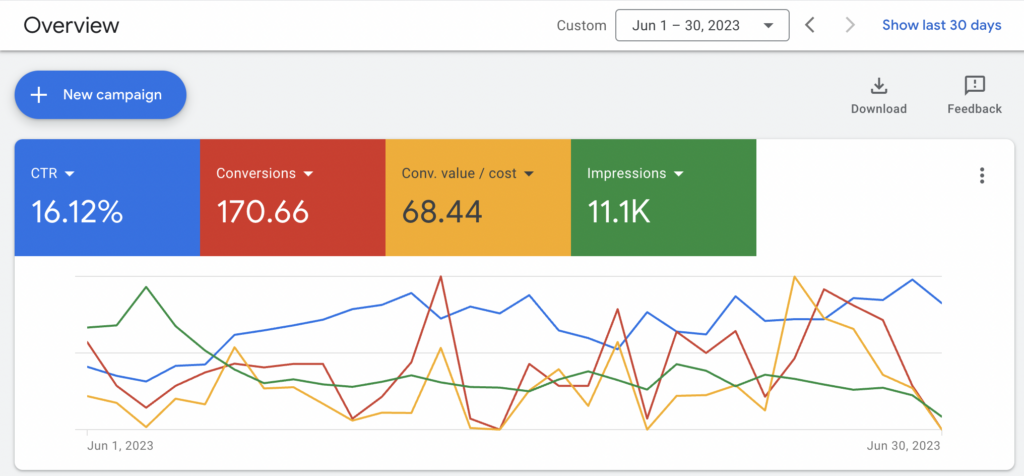
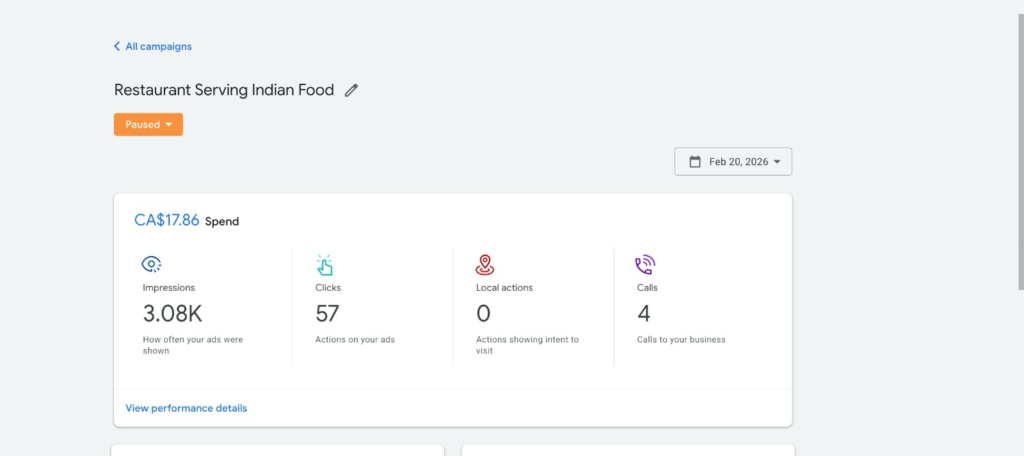
The platform enables you to monitor campaign results from a central location. The system enables users to see how their advertisements create consumer interactions.
- Track clicks, impressions, and conversion activity
- Monitor cost per conversion and keyword performance
- Adjust bids and budgets in real time
The data shows which campaigns succeed in generating actual dining intent, while they only produced public exposure.
- Google Analytics
Google Analytics tracks how users interact with your website after they click on your advertisements by linking advertising traffic to their website activities.
- Measure time spent on menu or reservation pages
- Identify drop-off points before booking
- Track conversions such as orders or form submissions
The system improves landing page results while ensuring your digital marketing system efficiently manages paid advertising.
- Google Tag Manager
Google Tag Manager enables restaurants to track customer behavior through its Tag Manager system, which requires no advanced programming skills for implementation.
- Monitor clicks on call buttons or reservation links
- Track scroll depth on menus
- Set up event-based conversions easily
This granular tracking helps align campaigns with real business goals rather than surface-level metrics.
- Google Business Profile Insights
The Business Profile insights provide essential information because more restaurant customers use Maps for their search activities. The system enables users to check how many people asked for directions and how many people made phone calls.
- Track direction requests and call actions
- Measure profile views after ad exposure
- Monitor peak interaction times
This bridges the gap between digital ads and physical footfall, supporting strategies built through SEO for restaurants.
- Call Tracking Software
Phone inquiries remain a major conversion channel for restaurants, especially for reservations or group bookings.
- Attribute calls to specific campaigns or keywords
- Measure call duration and quality
- Identify high-converting time slots
Call tracking reveals how ads influence real customer conversations.
- Looker Studio (Google Looker Studio)
The system enables users to transform unprocessed data into visual dashboards for performance assessment.
- Combine Ads, Analytics, and location insights
- Visualize ROI trends and customer acquisition costs
- Share performance reports with stakeholders
The system enables restaurants to evaluate their advertising performance across paid campaigns, social media, and other channels.
Conclusion
People are always searching for food. The question is simple. Will they find your restaurant or your competitor?
Google Ads for Restaurants helps you appear at the right time. It gives quick visibility and measurable results.
When you use it with SEO for restaurants and social media marketing for restaurants, you build both short-term and long-term growth. Your brand becomes stronger at every stage when you add Influencer Marketing for Restaurant support.
Google Ads is not just about clicks. The platform measures actual customer traffic, store visits, and generated income. If you plan carefully and track results, it can become a strong and steady way to grow your restaurant.
FAQs
How quickly can Google Ads deliver results for restaurants?
Google Ads can bring traffic within hours. Since it targets people searching right now, you can get calls and bookings very quickly.
What budget should a restaurant start with for Google Ads?
Start small. Focus on local, high-intent keywords. Increase the budget after you see good results.
Are Google Ads better than SEO for restaurants?
They do different jobs. Google Ads gives quick results. SEO for restaurants builds long-term growth. Using both is best.
Can small or local restaurants compete using Google Ads?
Yes. Local targeting enables small restaurants to compete against large restaurant chains.
How do restaurants measure success from Google Ads campaigns?
The business tracks customer calls and reservation activities, customer orders and direction requests, and expenses per customer. These numbers show real business growth.