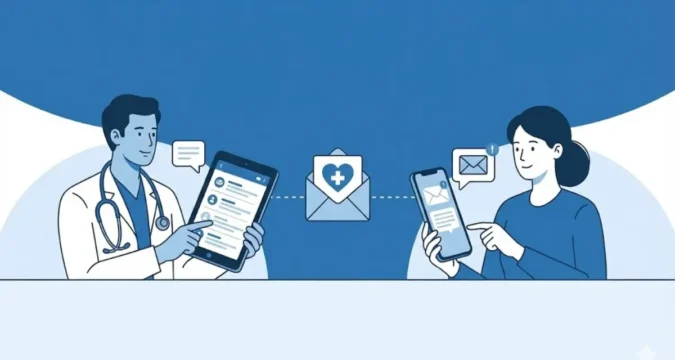
The average open rate for healthcare-related email campaigns is 41.23%. And that’s where email marketing for healthcare comes in, opening a new opportunity for healthcare providers to leverage and succeed. The healthcare industry has changed dramatically in the last few years, where patients expect faster communication, quick updates, and a more personalized experience.
Phone calls are no longer the only option, as email has become one of the most trusted and private channels for staying in touch with patients. And this isn’t just a trend, but a shift in how modern healthcare works.
Patients want reminders. They want guidance. They want clarity. Email delivers all of that without the noise of social media or the cost of paid ads.
This blog explores everything you need to know about email marketing for healthcare in a simple, structured, and compliant way. Whether you run a clinic, dental practice, or specialty center, this guide will help you communicate better with your patients, get more repeat visits, and build long-term patient relationships.
Let’s dive in.
What Is Email Marketing for Healthcare?
Before diving into the details of email marketing for healthcare, we should understand the basics of the same. Email marketing for doctors & healthcare involves structured, personalized, and compliant email communication to reach, educate, and support patients throughout their journey, from first contact to follow-up care.
Email marketing for healthcare involves:
- Sharing health tips
- Sending appointment reminders
- Delivering test updates
- Following up after visits
- Providing preventive care guidance
- Re-engaging inactive patients
- Offering clinic updates or services
In simple terms, healthcare email marketing helps patients feel supported, informed, and valued without requiring them to visit the clinic physically.
Why Email Marketing Is Essential for Healthcare Providers
There’s a wide range of reasons why email marketing is crucial for healthcare professionals. These reasons involve direct, reliable, and personalized communication with patients, improved help for patients and retention, support for appointment reminders, and so on. Here are the benefits and the reasons why you should choose email marketing for your clinic:
Direct, Reliable, and Private Communication with Patients
Email is one of the most privacy-friendly communication channels. It matters even more in the medical industry, where privacy is the primary concern. With personalized emails, patients feel comfortable receiving sensitive reminders or clinical guidance through email rather than social media DMs or SMS, thereby boosting trust and reliability.
Helps Improve Patient Retention and Follow-Up Care
A patient might visit once, but consistent communication through email marketing keeps them returning for routine checkups and preventive care. It helps give a boost to patient retention and follow-up care.
Supports Appointment Reminders, Health Education, and Post-Visit Engagement
Emails support appointment reminders, health education, and post-visit by offering consistent reminders to patients, ensuring they stay informed about:
- Pre-visit instructions
- Medications
- Post-treatment care
- Required follow-ups
Builds Long-Term Trust and Clinic-Patient Relationships
When you deliver frequent emails to your patients, it fosters a kind of strong bond between you and those patients. Patients trust medical professionals who provide value to them. Educational emails can position your healthcare brand as reliable and caring, establishing long-term trust.
Cost-Effective Compared to Ads or Traditional Marketing
Email marketing requires minimal investment and has one of the highest ROIs in healthcare marketing. Being a cost-effective alternative option compared to ads and other marketing options makes it the right choice for medical professionals.
Email Marketing for Healthcare: A Step-by-Step Guide
Setting up a strong foundation, patient segmentation, understanding patient-centric communication, and many more are the steps that make up the complete email marketing funnel for healthcare. Here’s how!
Setting Up a Strong Email Marketing Foundation
Establishing a strong email marketing foundation is a must-have to succeed in both the short and long term. In this process, the first step is to choose the right email service provider that is healthcare-friendly and reputable, like Mailchimp, HubSpot, ConvertKit, SendinBlue (Brevo)
These platforms support segmentation, automation, and compliance, making email marketing for your clinic way easier.
The next step to building a foundation for your email marketing is building an email list ethically. The email list for healthcare must follow strong consent rules. Sources include:
- Website signup forms
- Appointment forms
- Patient portals
- Lead magnets like health checklists or guides
- Diagnostic package downloads
- Double opt-in confirmation
Ethical list-building keeps deliverability high and avoids compliance issues.
Segmentation from day 1 is crucial because every patient is different, and segmentation ensures each of them gets relevant, more personalized emails, resulting in fewer unsubscribes.
Patient Segmentation for Email Marketing
The next step of email marketing for healthcare includes patient segmentation. Segmentation is crucial as it increases open rates, boosts trust, and ensures patients get the information that applies to them.
Common Segments Include:
- New patients
- Returning patients
- Patients with chronic conditions (diabetes, hypertension, asthma)
- Age-based groups (seniors, parents, young adults)
- Cosmetic/aesthetic treatment patients
- Post-treatment patients
- Cold leads or prospects
You need to tailor the email marketing to each group, as each of them requires different communication. For example, a diabetic patient needs regular care tips, while a cosmetic treatment lead needs before-and-after results and appropriate guidance.
Understanding Patient-Centric Communication
Having a proper understanding of patient-centric communication is one of the must-have aspects of email marketing for healthcare. That’s because patients want clarity, empathy, and relevance.
The key principles of a healthcare email marketing involve writing in clear, simple language, avoiding fear-based messaging, avoiding over-promotional content, and following HIPAA or local privacy laws
Besides, the focus on education, safety, and support, and being human, compassionate, and reassuring are also crucial. This is because in healthcare emails, tone matters more than design.
Types of Healthcare Email Marketing
The types of healthcare email for marketing include welcome series, appointment reminders, post-visit follow-up emails, reminders, and so on. Here’s all about the types of emails you should know before moving towards email marketing for your clinic:
Welcome Series
The welcome email is the first type of email in marketing for healthcare. A great welcome email for healthcare patients includes a warm greeting, introduces the practice’s mission and team, and provides essential information like office hours, contact details, and portal access. To build trust, you should include a patient-focused FAQ section, offer valuable health content, and clearly state what to expect next.
Appointment Reminders
Appointment reminder is one of the categories of email marketing for healthcare. They reduce no-shows and improve patient compliance. These emails include visit date and time, what to bring, pre-procedure instructions, and more.
Post-Visit Follow-Up Emails
Post-visit follow-up emails work well to deepen trust and improve care outcomes. Common elements of these types of emails for healthcare clinics include recovery tips, medication instructions, when to schedule the next visit, and a request for feedback.
Patient Education
Patient education emails help you offer educational materials to your target patients. These emails position your clinic as a trusted authority. For these emails, you can choose the topics, like prevention tips, seasonal health alerts, common condition explanations, and nutrition or lifestyle guidance.
Emails Newsletters
Email newsletters help your patients remain updated with the latest updates. You can send an email newsletter to patients as monthly or quarterly updates, like:
- New treatments
- Equipment upgrades
- Health awareness month campaigns
- Doctor introductions
Re-Engagement Emails
Re-engagement emails help you target those patients who haven’t visited in months. It assists you in sending a reminder to them for the following:
- “It’s been a while time for a check-up.”
- “Your test may be overdue.”
Promotional Emails (Ethical & Limited)
Promotional emails are the way through which you can promote your new offerings for healthcare offerings that align with the patient’s needs. Keep in mind that promotions are allowed, but they must be sensitive and helpful. For example:
- Annual health package
- Discounted preventive screenings
- Cosmetic/aesthetic service promotions
Creating High-Performing Healthcare
Now that everything is determined, you should create high-performing emails targeting the benefits of your patients. The key elements of a good email should contain the following:
- Short, compelling subject line
- Personalized content
- Concise messaging
- Clear call-to-action (“Schedule now”)
- Simple, clean layout
- Mobile-friendly design
- Trustworthy tone
- Clinic branding & logo
- Doctor’s signature
Ensure that the patients feel they are reading something genuinely helpful, not just the marketing fluff. It adds value to their needs and is great for trust building.
Emails Automations Every Healthcare Clinic Should Use
Make sure you leverage email automation, as it ensures consistent communication without manual work. The essential automated workflows involve:
- Welcome Series for New Subscribers
- Appointment Confirmation and Reminder Flow
- Post-Visit Follow-Up Automation
- Chronic Care Management Flows (diabetes, BP, thyroid)
- Annual Check-up Reminders
- Lead Nurturing for Cosmetic & Elective Services
- Feedback & Review Requests
When you implement automation, it helps you reduce staff workload and improve patient satisfaction.
Email Deliverability & Compliance
Every healthcare and clinic must ensure they provide good email to the right people. Good email deliverability ensures your messages land in the inbox, NOT the spam folder. Here are the deliverability basics and compliance requirements you should take into consideration:
Deliverability Basics:
- Verify sending domains
- Avoid spammy words
- Use double opt-in
- Maintain a clean list
- Don’t send too often
- Keep email sending consistent
Compliance Requirements:
- Follow HIPAA or country-specific data laws
- Never include sensitive medical details
- Use secure ESPs
- Always include unsubscribe options
- Respect patient consent and privacy
In healthcare, compliance is non-negotiable, so make sure your emails adhere to the compliance requirements.
Measuring Email Marketing Success
Measuring the success of your email marketing for healthcare is as crucial as the marketing itself. So make sure you gauge the results over a certain period of time to make necessary improvements. See the pointers to know the metrics to track the outcome and the tools to track it:
Metrics to track:
- Open rates
- Click-through rates
- Conversion rates
- Appointments booked
- Patient retention
- Bounce rates
- Unsubscribes
- Segment-wise engagement
Tools for tracking:
- Mailchimp analytics
- HubSpot dashboards
- GA4 event tracking
Advanced Email Strategies for 2026
To succeed in email marketing, you should always keep aware of future trends. Knowing what is needed in the future helps you strategies your next step. The future of healthcare email marketing includes:
- AI-driven personalization
- Predictive send times
- Behavior-based triggers
- Video email (doctor explainers, quick tips)
- WhatsApp + Email + SMS integrated workflows
- Real-time appointment scheduling from email
- Advanced segmentation based on health conditions
Conducting email marketing for your clinic will help you elevate patient experience and brand trust.
Common Mistakes to Avoid When Email Marketing for Healthcare
When you perform email marketing for your healthcare, bear the fact in mind that you avoid the following, as they may ruin your marketing efforts by being proven as counterproductive outcomes:
- Sending emails too frequently
- Using complex medical terms
- Ignoring mobile design
- Being overly promotional
- Not segmenting
- Neglecting negative reviews
- Forgetting compliance rules
Sometimes, even one tiny mistake can break patient trust, so avoid shortcuts and ensure you follow the authentic way.
Wrapping Up!
Email marketing for healthcare involves a complete strategy, including determining the type of email according to your service offerings, and so on. Email marketing for doctors is one of the simplest yet most powerful tools for doctors and healthcare providers. It helps you improve patient care, build long-term loyalty, increase appointment bookings, and create a strong bond between clinics and patients.
If used correctly, email marketing in 2026 can become the backbone of your medical practice’s digital strategy. To get most of your business, consider adopting complete digital marketing for the healthcare industry, and make your brand stand out.
FAQs
How much does healthcare email marketing cost?
Email marketing for healthcare can cost anywhere from $50 to $1,000 per month, depending on your email service provider, list size, and automation needs. The majority of small clinics stay under $100–$300 monthly.
Is email marketing HIPAA-compliant?
To stay compliant, you must use a HIPAA-compliant email service (ESP), have a Business Associate Agreement (BAA) in place, secure patient consent, and avoid sending Protected Health Information (PHI) unless it is encrypted and permitted under HIPAA guidelines. Always include consent and unsubscribe options.
What is a good email frequency for healthcare providers?
You should go with 1 to 4 emails per month, as it is ideal. Too many emails are more likely to feel intrusive.
What types of emails perform best?
Many types of emails perform well in healthcare, including appointment reminders, education emails, newsletters, and post-visit follow-ups. These types of emails consistently generate the highest engagement.
Can email marketing increase patient bookings?
Absolutely. Email marketing is the right way to increase patient bookings. Clinics using structured email sequences often see a 20–40% increase in booked appointments.